
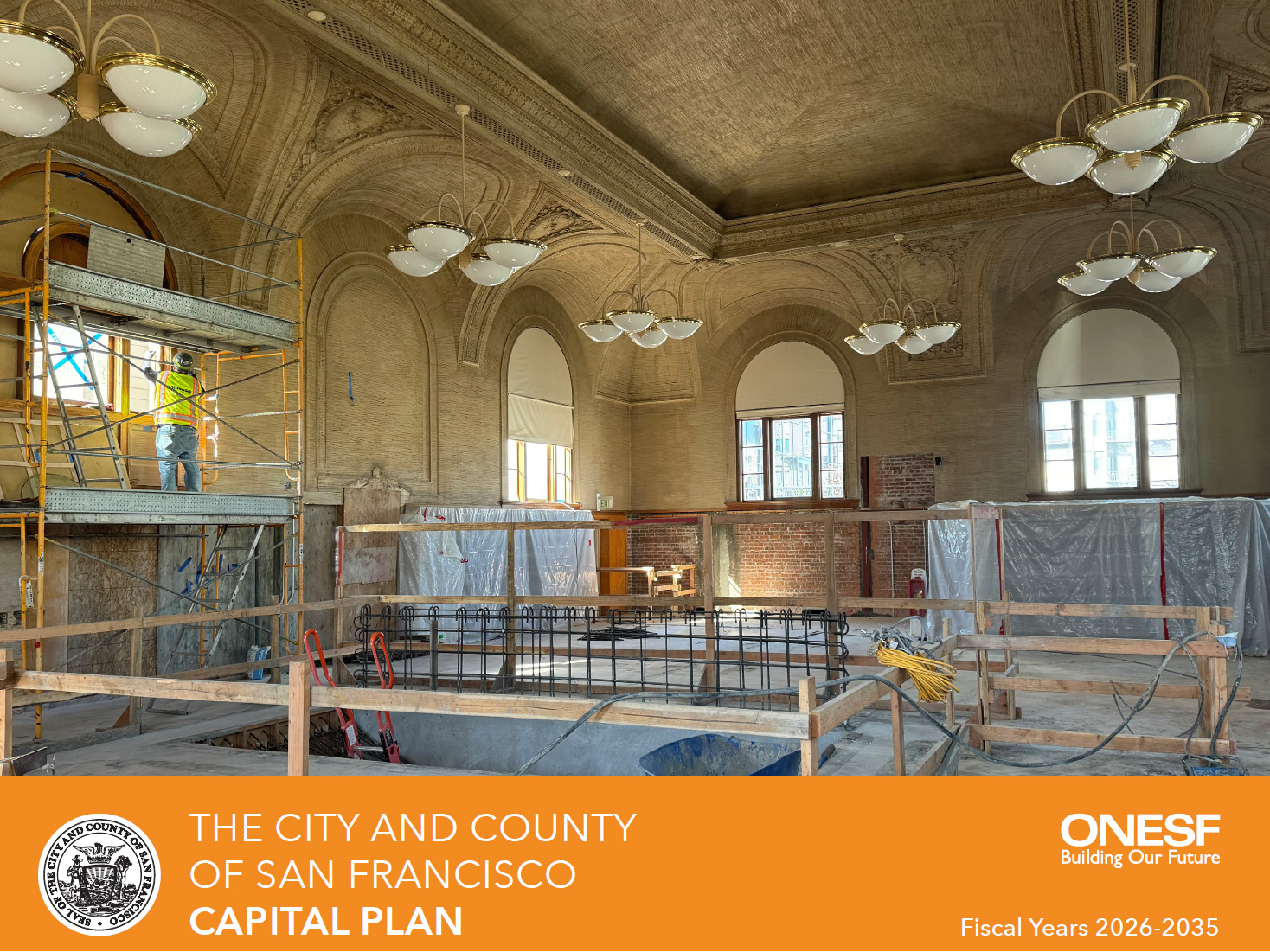
Capital Plan for Fiscal Years 2026 to 2035
The latest Capital Plan captures a decade of infrastructure development, construction, and maintenance. It was approved by the Board of Supervisors on April 15, 2025.Read the full Capital PlanPlanned project highlights
General Fund departments
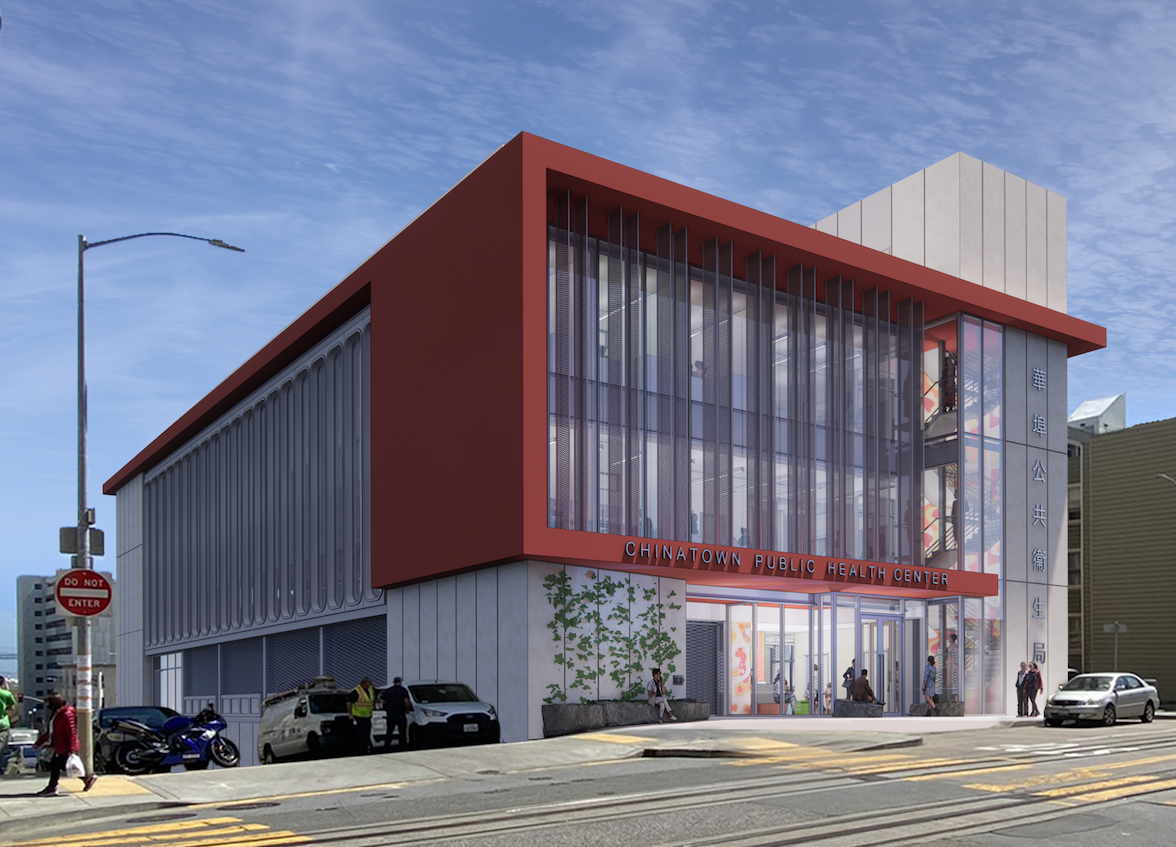
- Chinatown Public Health Center seismic retrofit
- City Clinic relocation
- New Police Evidence and Property Control Division facility at 1828 Egbert Avenue
- Park system renovations, including Portsmouth Square and India Basin
- Neighborhood Fire Stations program
- District Police Stations program
- New Division of Training facility for the Fire Department
- ADA facilities and right-of-way barrier removal
- Zuckerberg San Francisco General and Laguna Honda Hospital campus improvements
Enterprise departments
- Seawall strengthening
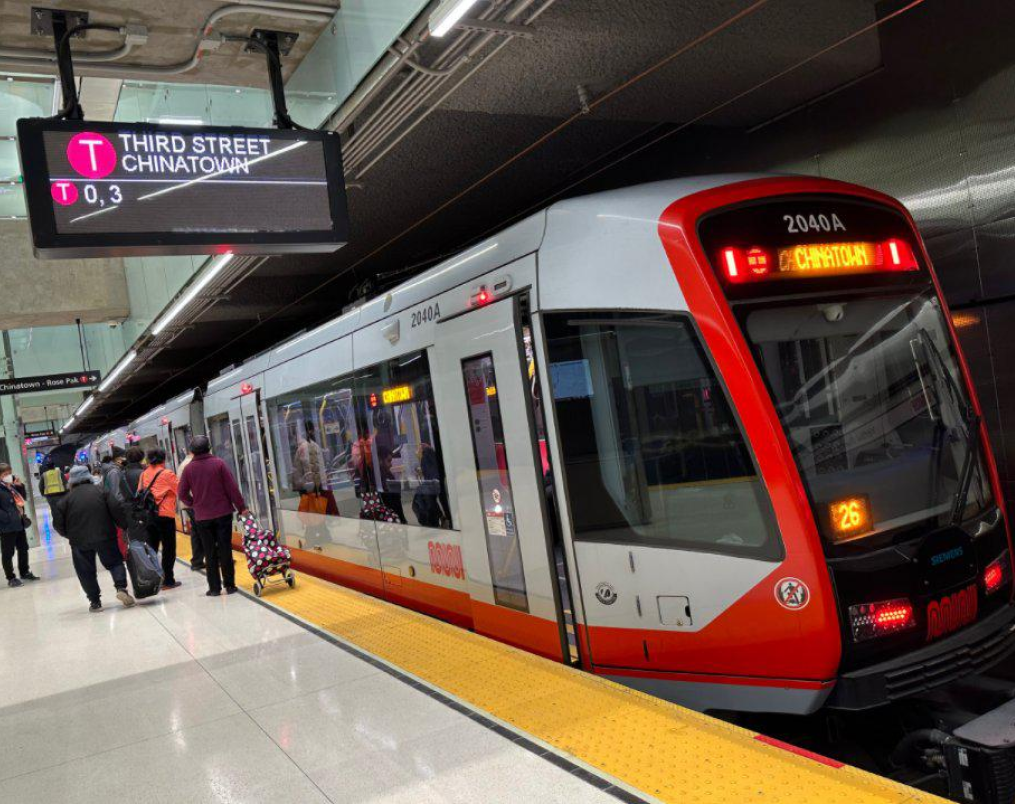
- SFMTA facilities
- Muni Forward
- Vision Zero Pedestrian Safety Program
- Water, Sewer, and Power Enterprise improvements
- SFO Terminal 1 and 3 improvements
External agencies
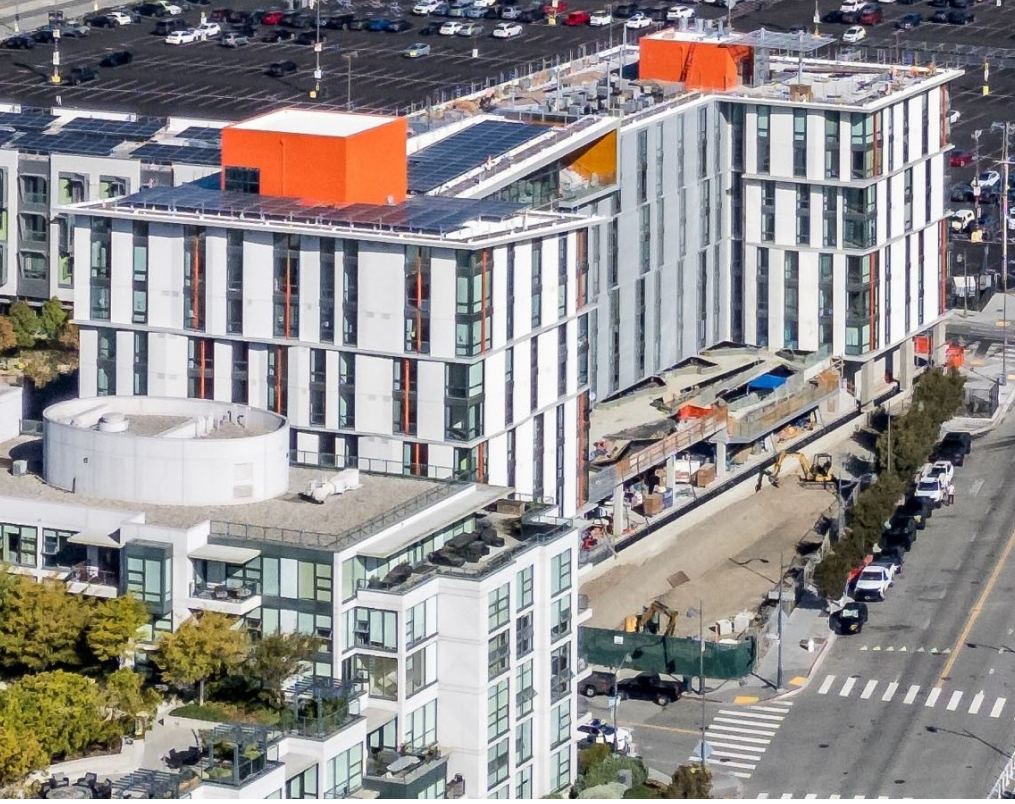
- Affordable housing developments
- Treasure Island redevelopment
- City College seismic and code upgrades
- Modernization of SFUSD sites
Executive summary
The Fiscal Year (FY) 2026-2035 City and County of San Francisco Capital Plan (the Plan) is the City’s commitment to building a more resilient, equitable, and vibrant future for the residents, workers, and visitors of San Francisco. It is a fiscally constrained expenditure plan that lays out anticipated infrastructure investments over the next decade.
Policies governing the Plan are discussed in the Introduction as well as the Capital Sources Chapter. The Plan also continues key objectives from previous years, including robust funding for asset preservation, relocation of critical City services to seismically sound facilities, and construction of several public infrastructure projects to improve services and quality of life.
Plan by the numbers
This Plan captures $33.5 billion in recommended direct City investments and $18.6 billion in external agency investment, which total $52.1 billion in capital improvements citywide (shown in Table 1.1). This work is estimated to create over 210,000 local jobs over the next decade.
General Fund departments
General Fund departments primarily rely on the General Fund to support their infrastructure needs. Table 1.2 outlines a program summary of planned General Fund department investments totaling $6.7 billion over 10 years. Also shown are projects deferred from the Plan due to funding limitations totaling $7.6 billion. These projects and more are discussed in the Plan's Service Area chapters (see full Capital Plan).
Pay-As-You-Go Program
The Plan proposes funding the majority of the City’s ongoing annual needs with General Fund dollars through the Pay-As-You-Go (Pay-Go) Program. These are typically smaller investments to maintain facilities and infrastructure in a state of good repair or fund critical infrastructure needs. Table 1.3 provides a summary of the Plan’s planned funding for the Pay-Go Program by expenditure category. The planned investment over 10 years is $2.7 billion.
Deferred maintenance backlog
Years of historic underinvestment in the City’s capital program, exacerbated by recent economic difficulties, has resulted in a current facilities backlog of over $1 billion for General Fund facilities. If the City meets this Plan’s funding recommendations, the existing backlog is projected to start trending downward. As compared to the current level, the backlog is projected to decrease 65% to $351 million, as shown in Chart 2.2.
While the City has made significant progress in improving the quality of its streets in recent years, currently at a Pavement Condition Index (PCI) of 75, a backlog of $466 million remains if the City is to reach a PCI of 83, at which point the year-on-year cost of maintaining the streets declines significantly. The street resurfacing program will be supported by the General Fund to maintain a PCI of 75 over the 10-year period of this Plan, though the existing backlog is projected to increase to over $1 billion by FY2035, as shown in Chart 2.3.
Enterprise and external agencies
This Plan compiles information provided by the City’s Enterprise departments, including the Port of San Francisco, the San Francisco Municipal Transportation Agency, San Francisco International Airport, and the San Francisco Public Utilities Commission. While Enterprise departments appear in the Plan’s General Obligation (G.O.) Bond Program, they may also issue Revenue Bonds as seen in Table 1.4. The Plan captures nearly $27 billion in Enterprise department capital investments during the next 10 years.
This Plan also includes external agencies such as City College of San Francisco, San Francisco Unified School District, the San Francisco Housing Authority, Treasure Island Development Agency, and the Office of Community Investment & Infrastructure. The Plan captures nearly $19 billion in external agency capital investments during the next 10 years.
General Obligation (G.O.) bonds
The Plan anticipates $1.8 billion in general obligation (G.O.) bonds over the next 10 years. G.O. bonds are backed by the City’s property tax revenue and are repaid directly out of property taxes. As a result of the successful passage of several large bonds in the past few years, the capacity of the G.O. bond program is limited in the near term.
Table 1.5 shows the Capital Plan’s G.O. bond program for the next 10 years.
Chart 1.1 illustrates the relationship between the G.O. bond program and the local property tax rate, including existing and outstanding issuance and voter-approved bonds. This view shows the City’s policy constraint that G.O. bonds will not increase the property tax rate above 2006 levels.
Table 2.1 provides a historical view, showing G.O. Bonds approved by voters since 2008.
Certificates of Participation
The Plan anticipates $487 million in Certificates of Participation (COPs), also known as General Fund debt, over the next 10 years. COPs are backed by a physical asset in the City’s capital portfolio, and repayments are appropriated each year out of the General Fund.
Table 1.6 shows the Capital Plan’s COP Program for the next 10 years.
Chart 1.2 illustrates the COP program against the City’s policy constraint for General Fund debt not to exceed 3.25% of General Fund Discretionary Revenue.
Recent accomplishments
A few highlights from recently completed capital projects:
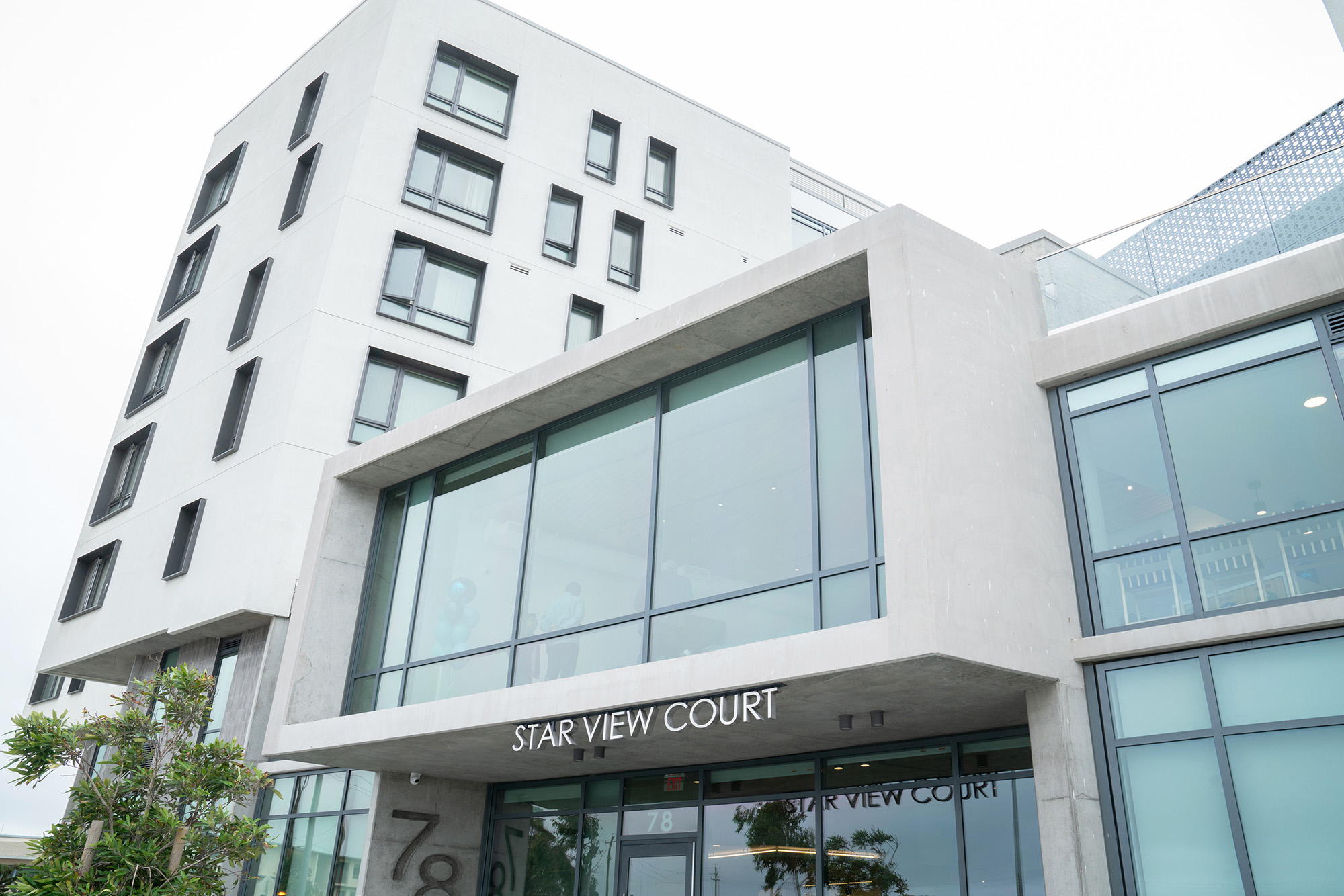
Treasure Island Development Authority constructed Star View Court, a 100% affordable housing site on Treasure Island.
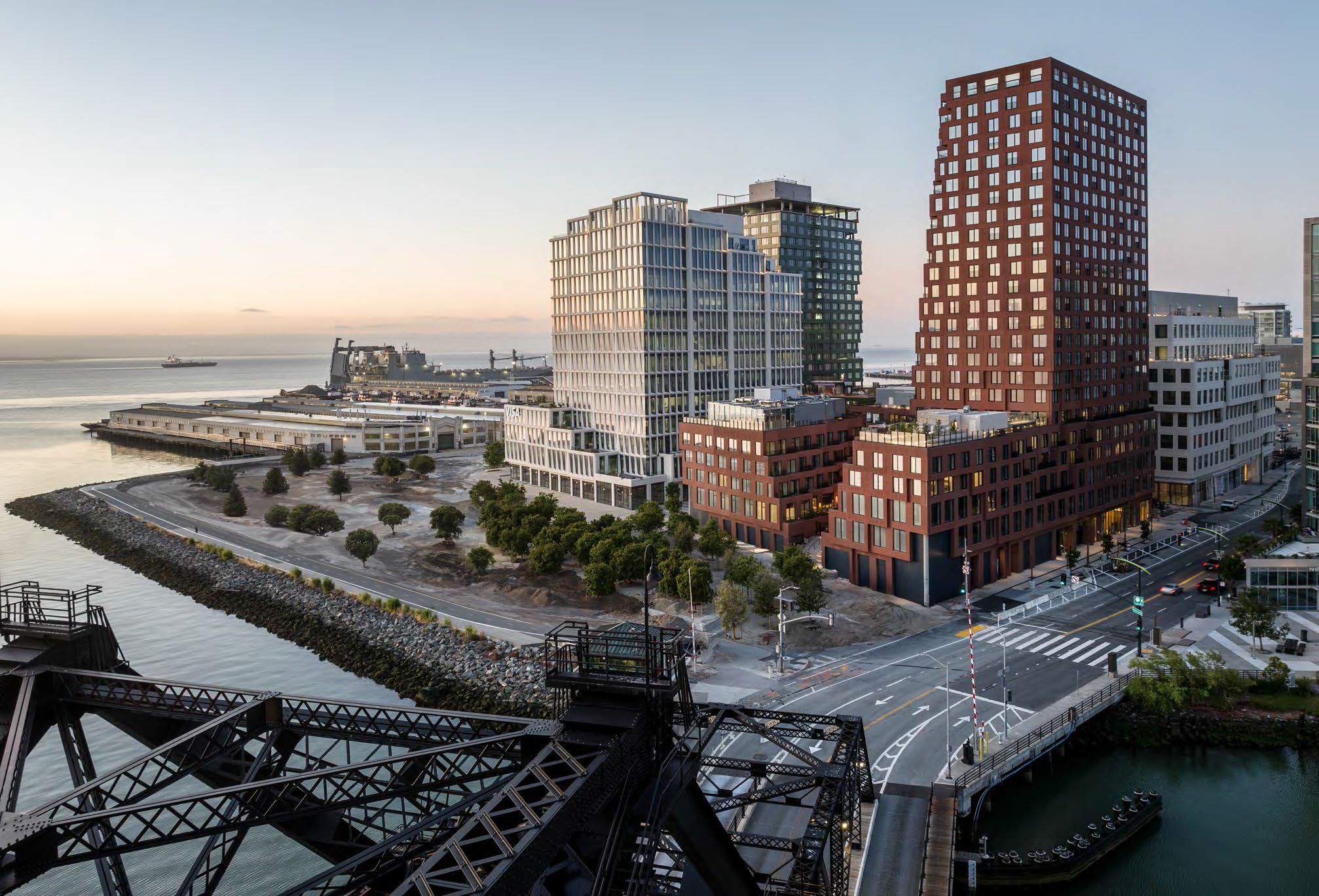
The Port Completed China Basin Park, a new five-acre bayfront park.
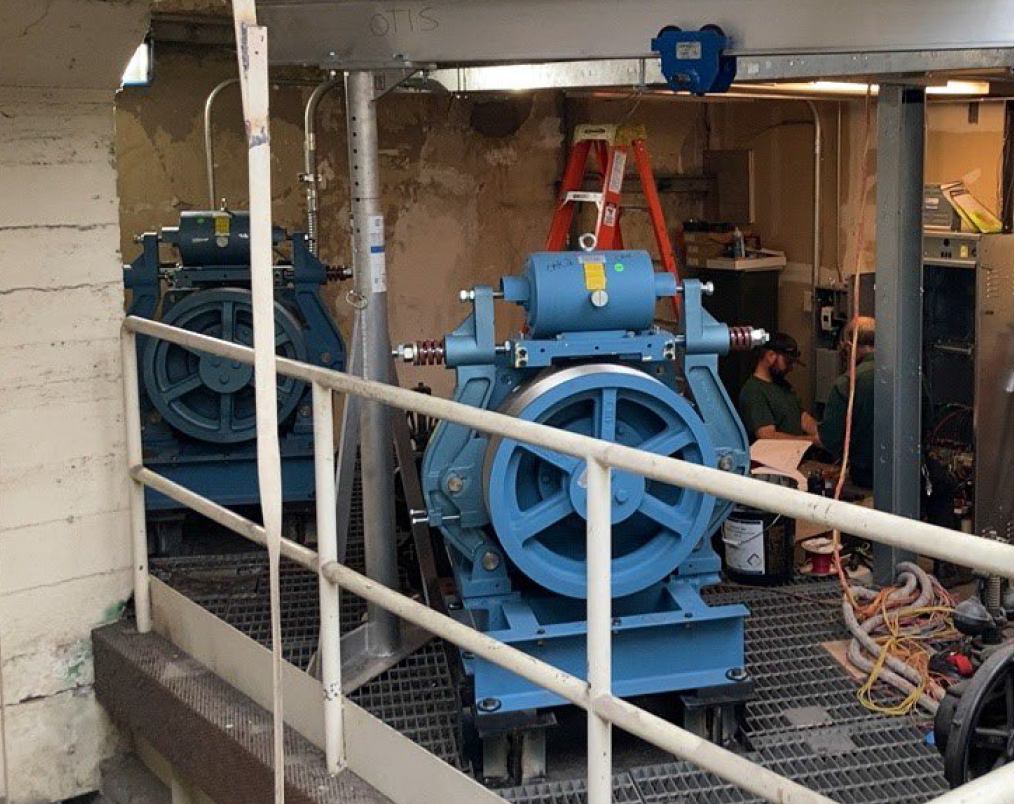
The Office of the City Administrator modernized elevators at City Hall.
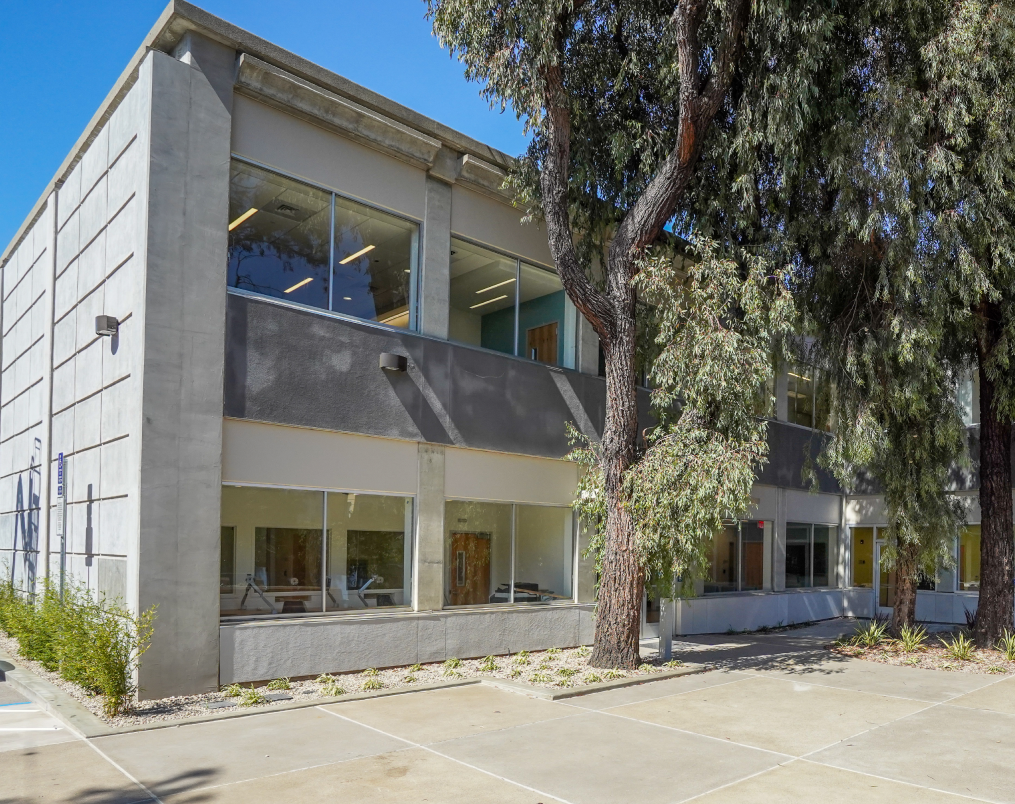
The Department of Public Health completed renovation of the Castro Mission Health Clinic.
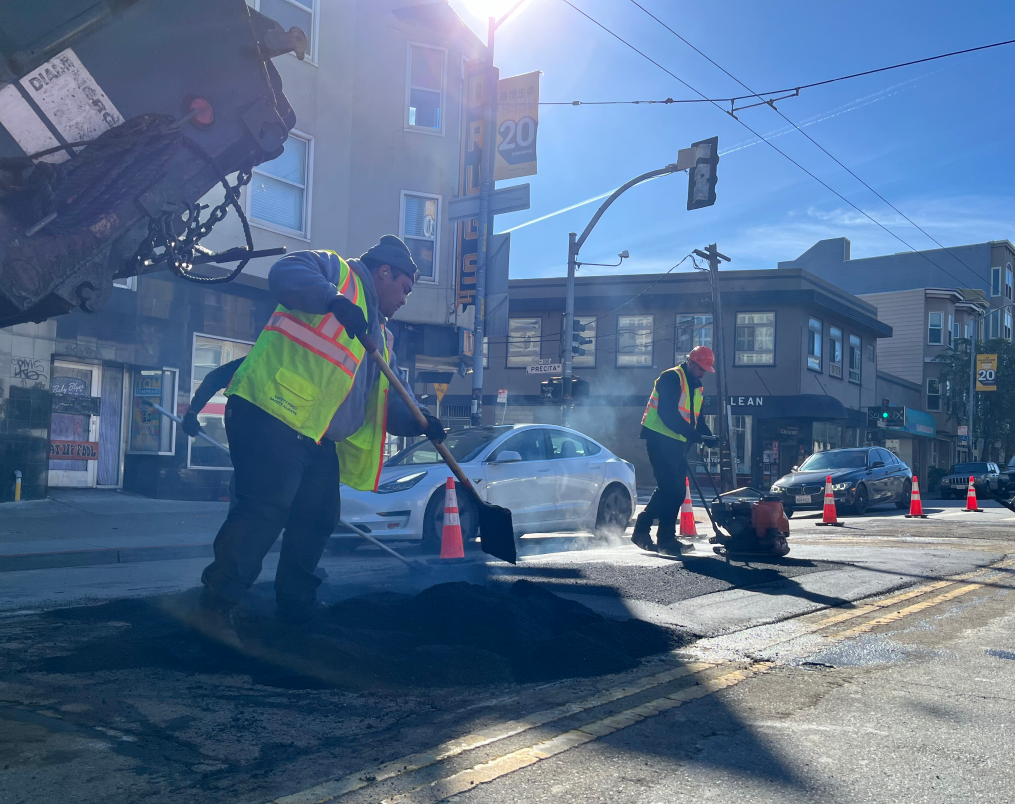
Public Works repaved and maintained 1,011 street blocks, maintaining the City's Pavement Condition Index at 75.
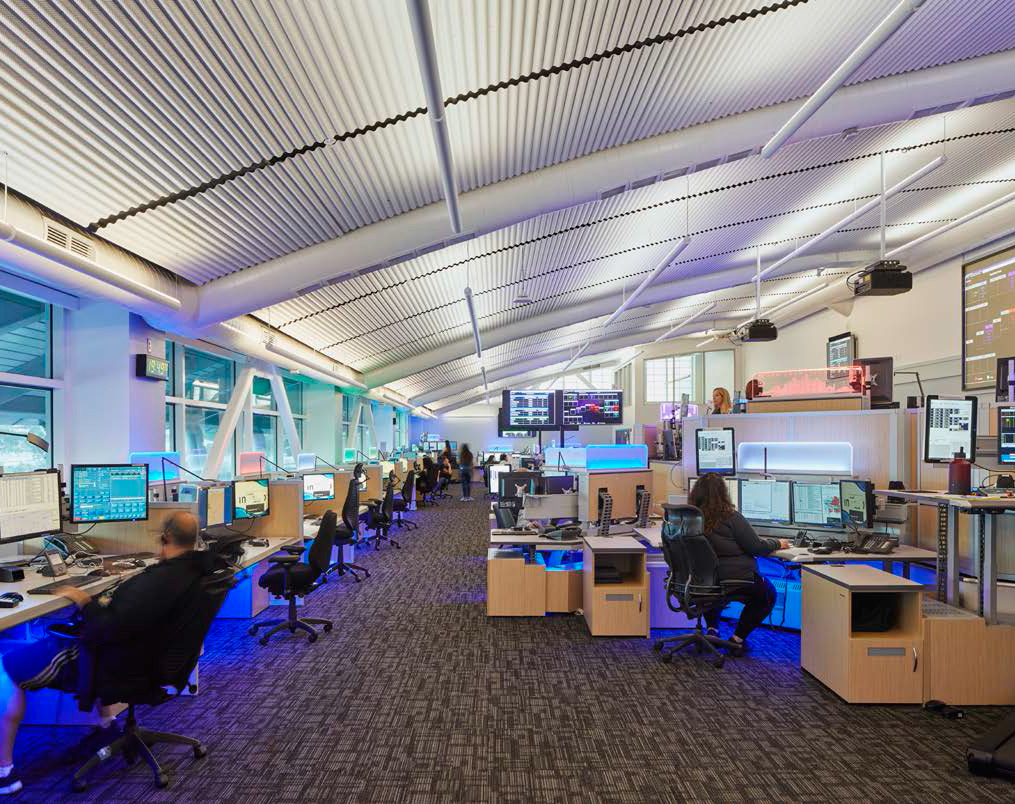
The Department of Emergency Management completed a renovation of the 911 call center.
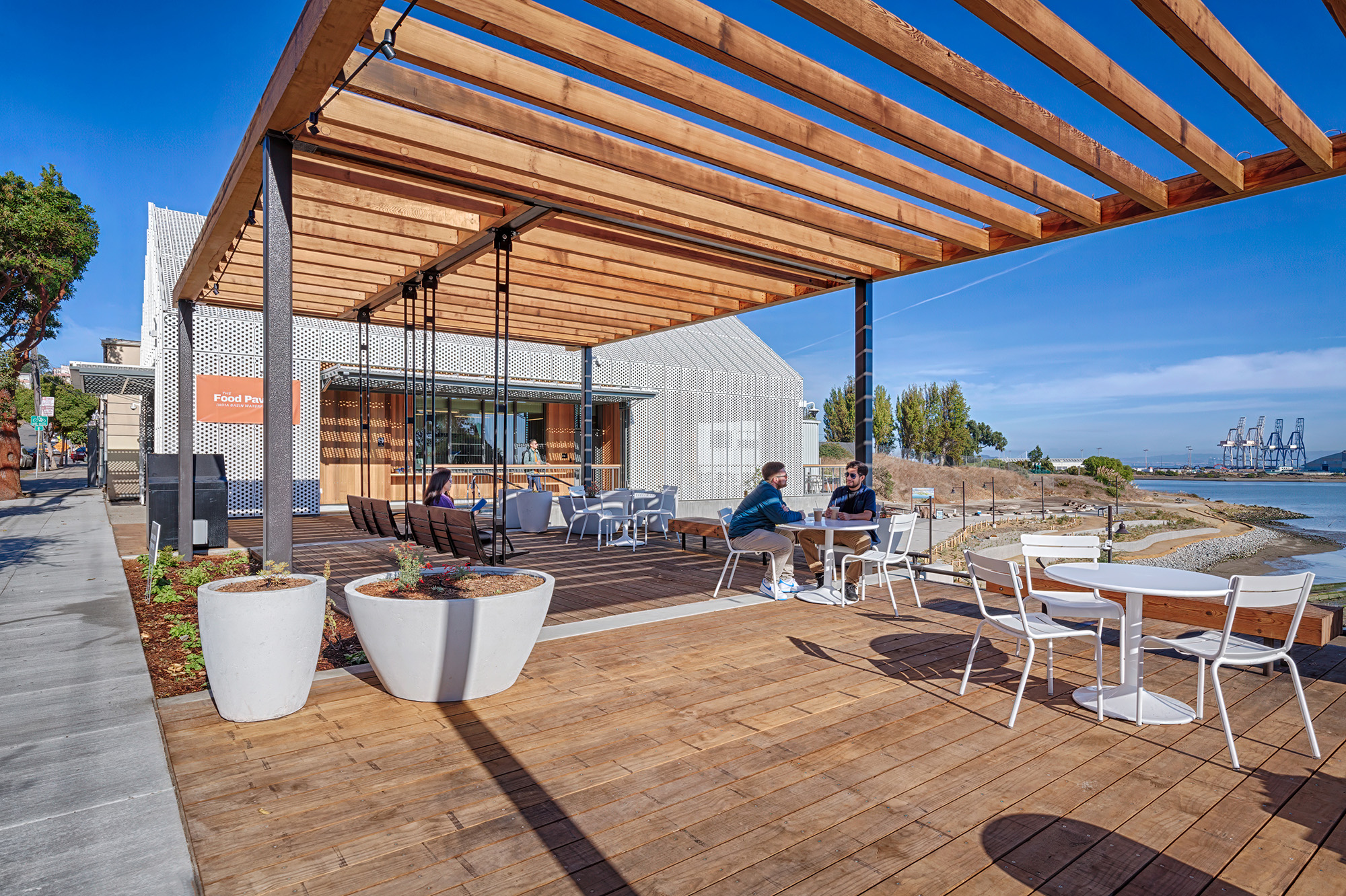
The Recreation and Park Department completed phase 2 at India Basin Waterfront Park.
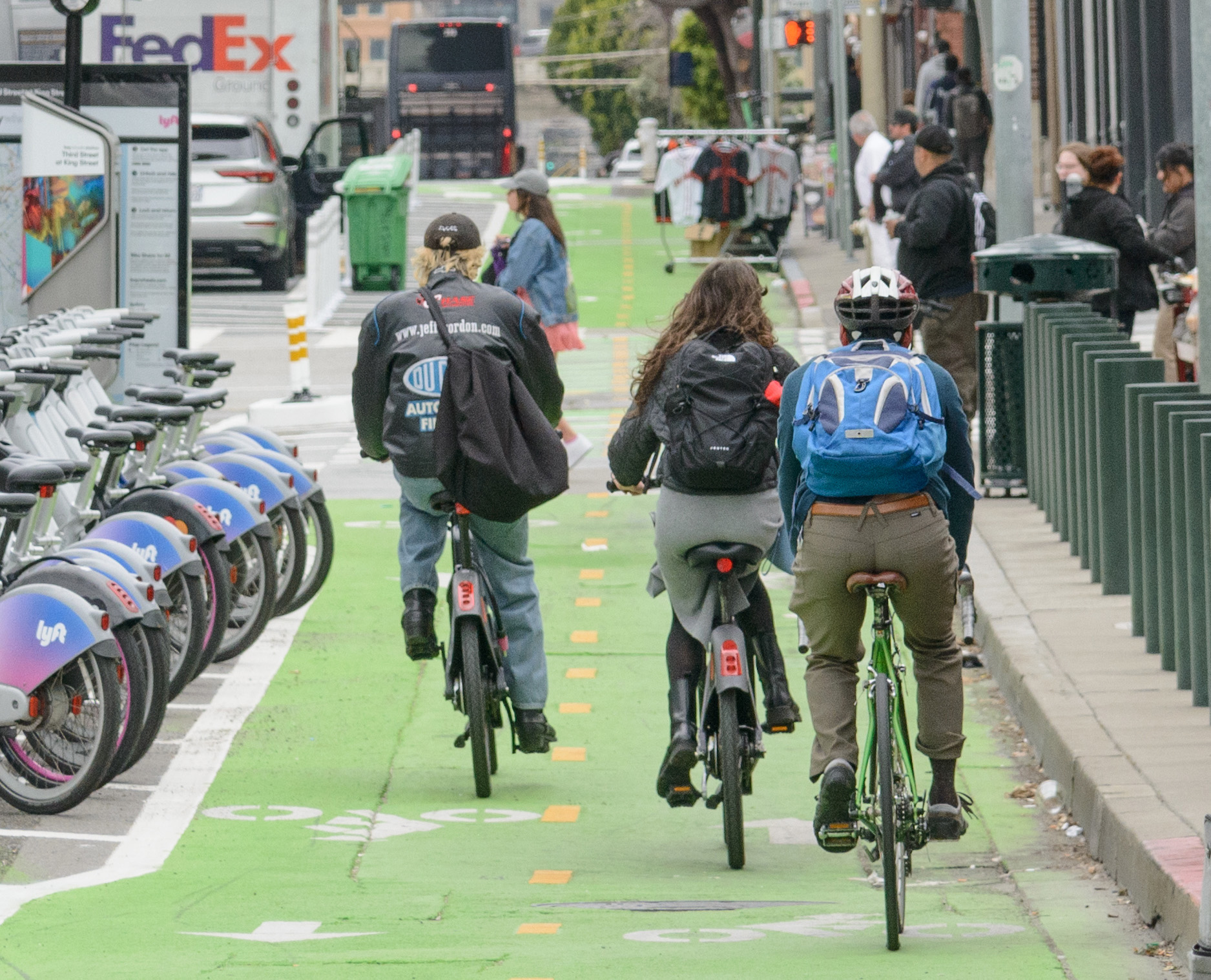
The San Francisco Municipal Transportation Agency grew the city’s bike network to 472 miles.
Towards Resilience
This Capital Plan identifies planned funding of $52.1 billion over 10 years. Despite this funding, the Plan defers over $7.5 billion in identified needs for General Fund departments.
San Francisco’s Capital Plan reflects confidence in the City’s capacity to administer the capital program in a responsible and transparent manner. This includes establishing financial constraints around each funding program to promote its long-term viability, listing unfunded and deferred projects, and establishing funding principles.
Taking care of our capital infrastructure is an important part of building a resilient city. Resilience includes eliminating racial and social disparities so that all San Franciscans may recover and thrive no matter the shocks and stresses they face. The Capital Plan strives to fund projects and programs that address racial and social disparities and promote equity in the services delivered by the City’s facilities and infrastructure. Most of the long-term resilience projects come from citywide planning and coordination efforts and include climate and seismic safety.
Amendments
This Capital Plan was amended in December 2025 to update the General Obligation bond schedule. These amendments are all reflected in the content above.
G.O bond program amendment - December 2025