
Significant Declines in Homelessness Across San Francisco
Preliminary 2026 PIT Count results show continued progress in reducing homelessness in San Francisco, including declines in overall and unsheltered homelessness and the highest sheltered rate recorded to date.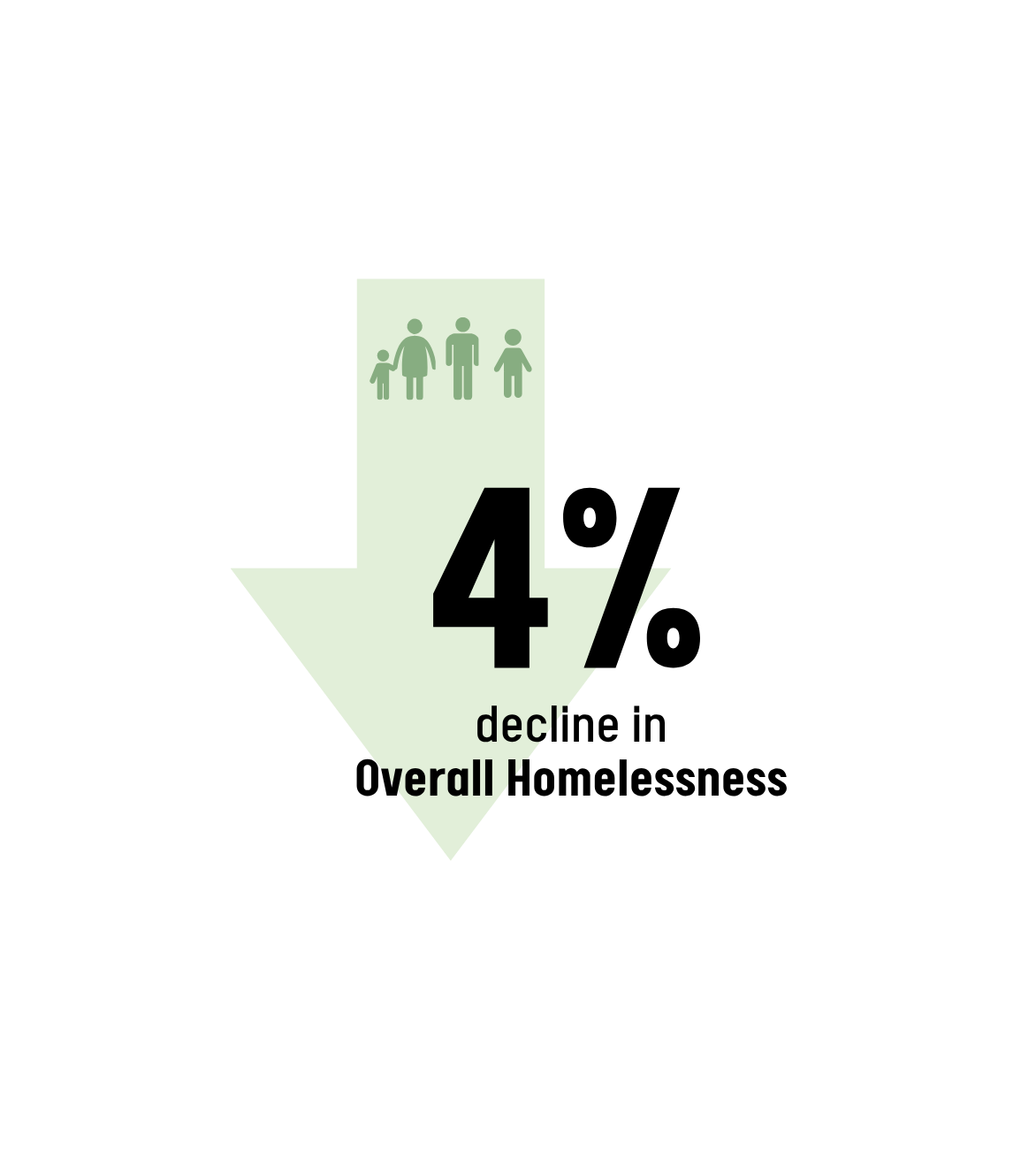
Overall Homelessness Declined
Overall homelessness in San Francisco declined by 4% between the 2024 and 2026 PIT Counts, decreasing from 8,323 people in 2024 to 7,973 people in 2026.
Highest Sheltered Rate Recorded to Date
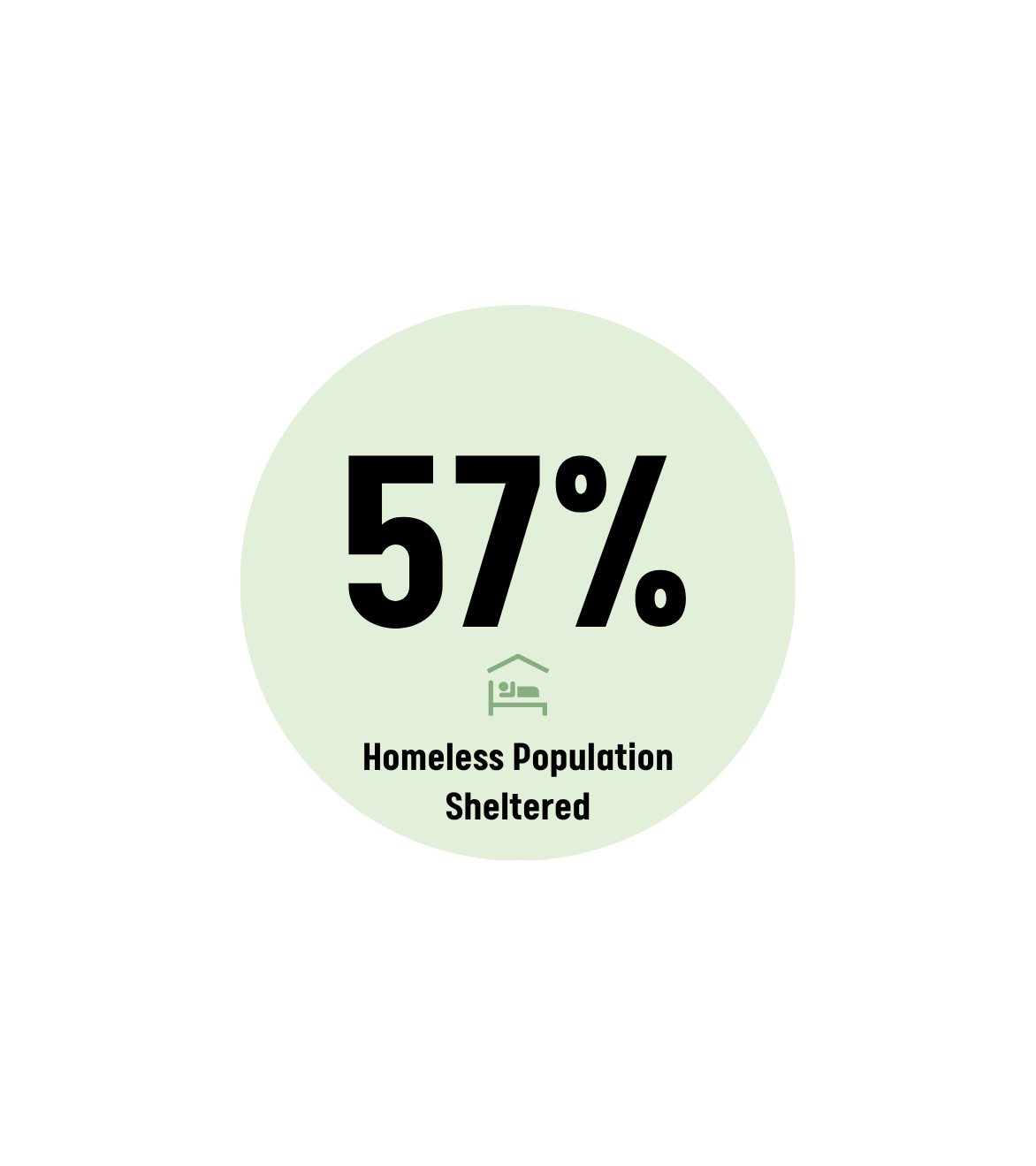
Currently, 57% of people experiencing homelessness in San Francisco are sheltered, the highest sheltered rate recorded to date.
Unsheltered Homelessness Reached Lowest Level Since 2011
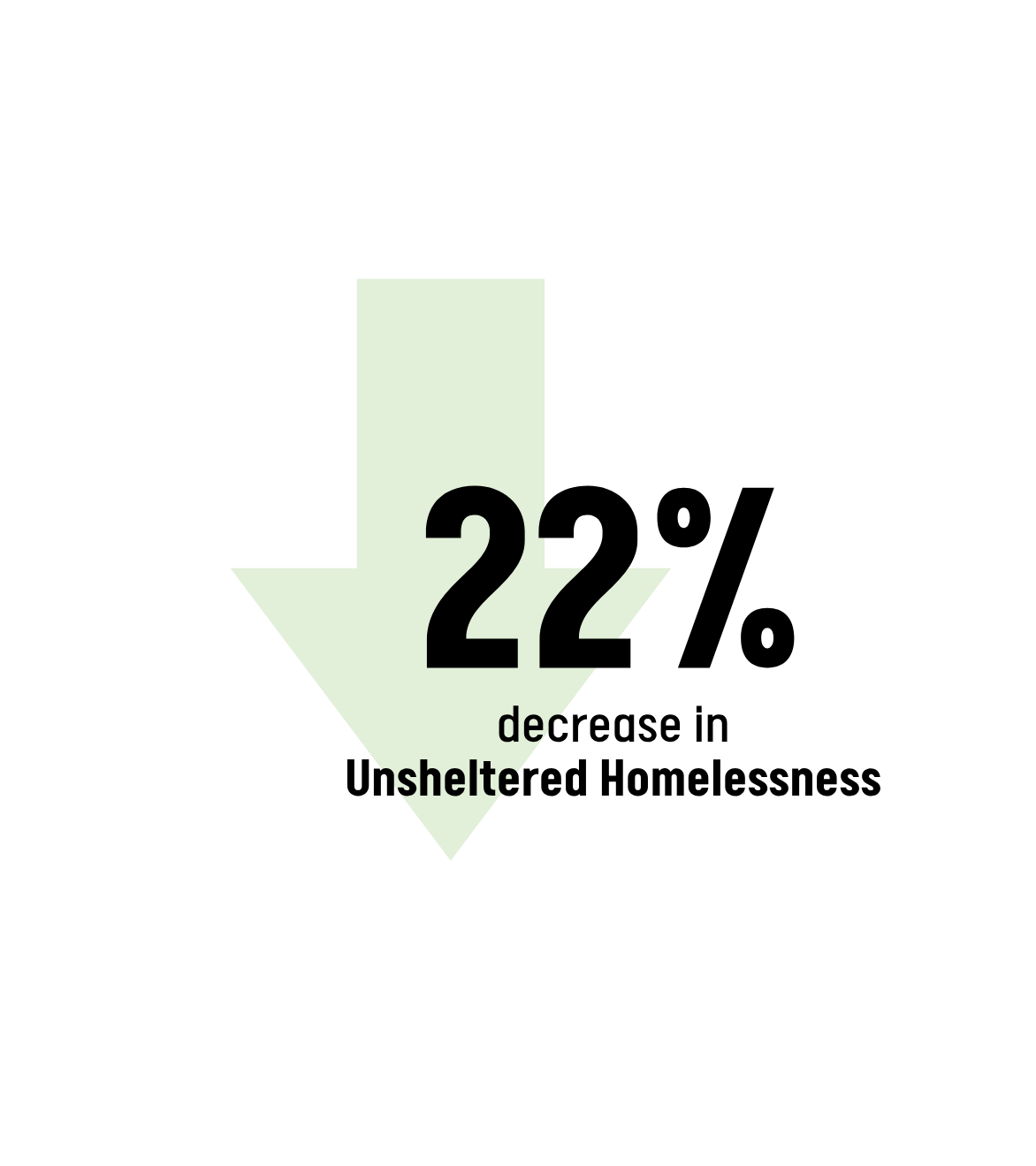
Unsheltered homelessness decreased by 22% between 2024 and 2026, declining from 4,354 people to 3,400 people and reaching the lowest level recorded since 2011.
Youth
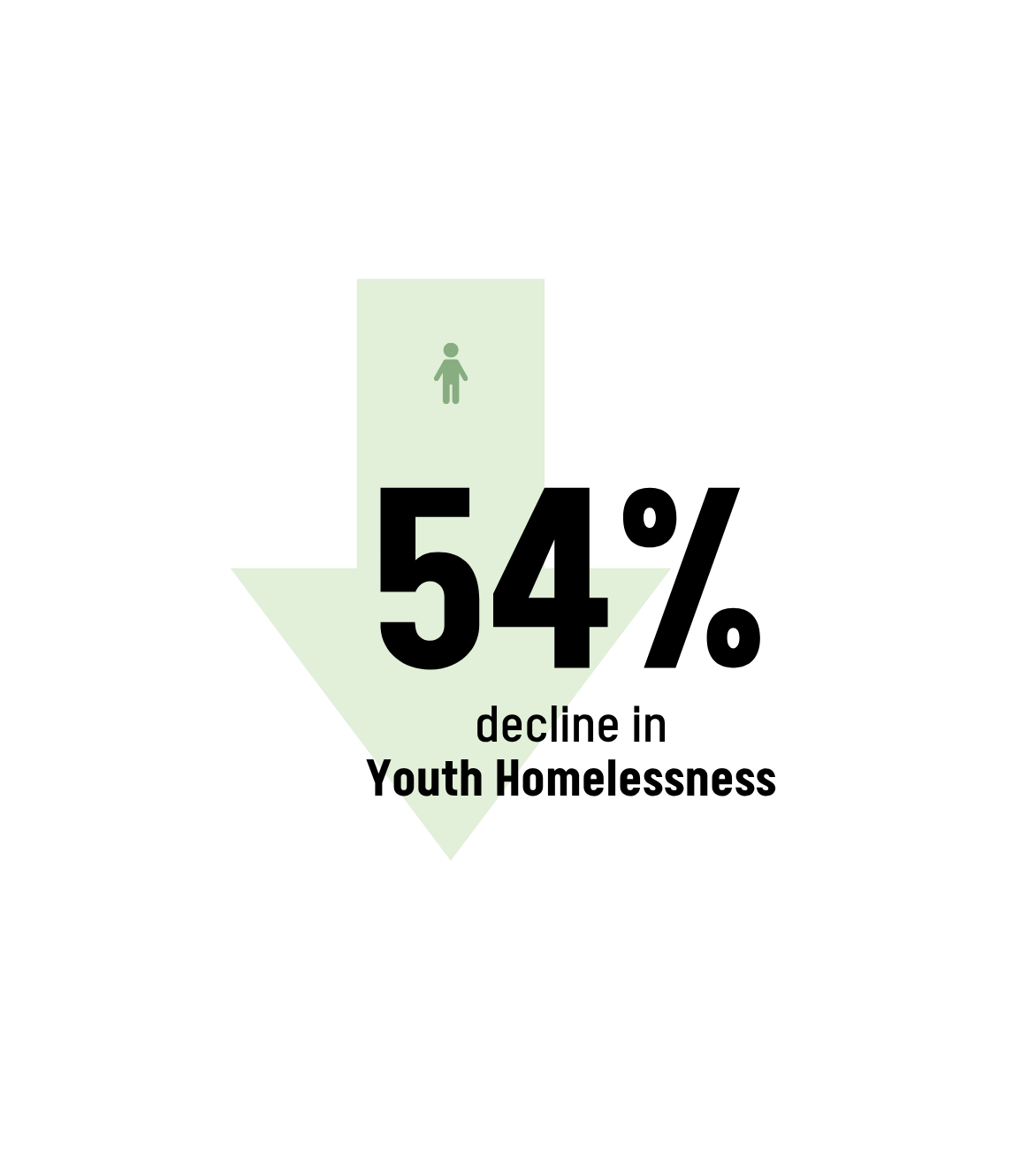
Fewer than 600 youth, including children and transitional-age youth ages 18–24, were identified as experiencing homelessness, representing a 54% decrease from 2024.
Families
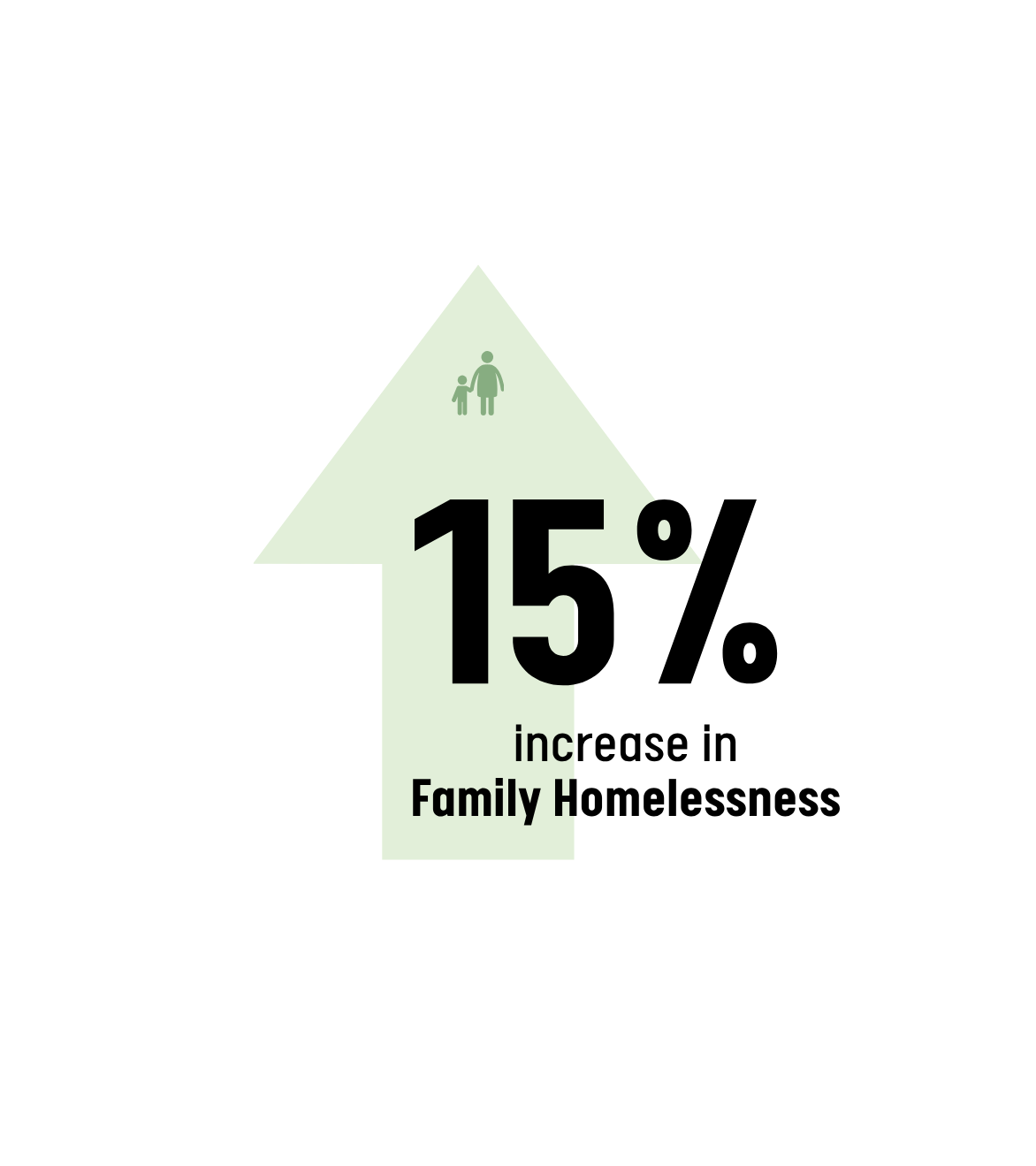
Family homelessness increased by 15%, with 465 families identified in 2026. The number of people in families experiencing homelessness increased by 34%, from 1,103 people in 2024 to 1,474 people in 2026. Approximately 74% of families were sheltered, and the vast majority of unsheltered families were identified in vehicles.

Veterans
Veteran homelessness decreased by 44%, from 585 veterans in 2024 to 327 in 2026, driven by a 55% reduction in unsheltered veterans.
Partnership Across the Homelessness Response System
These preliminary results reflect the collective work of HSH, City partners, community stakeholders, and nonprofit providers across San Francisco’s homelessness response system. Every day, this work helps people prevent homelessness, access shelter and housing, connect to services, and stabilize in housing.
Areas Requiring Continued Focus
The results reinforce the need for continued focus, particularly on family homelessness and the growing number of families living in vehicles. HSH will continue working with City departments, providers, and community partners to expand pathways into shelter and housing, strengthen prevention strategies, and improve outcomes for people experiencing homelessness.
Full Report and Additional Analysis Coming Later
The full PIT Count report will be released later this summer and will include additional detail, analysis, and demographic information.