2026 Point-in-Time Count Results
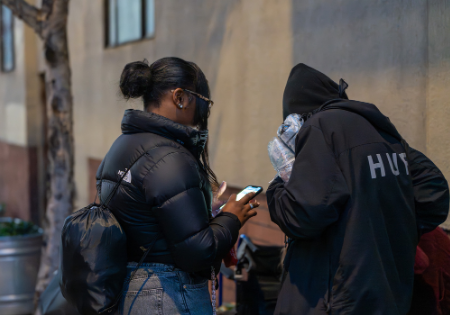
San Francisco’s 2026 Point-in-Time Count found a 4% decrease in homelessness since 2024, with a record 57% of people counted staying in shelter. Explore the latest results, key findings, and trends shaping the City’s homelessness response.The 2026 Point-in-Time Count took place on January 28, 2026. It included counts of people staying in temporary shelter as well as those sleeping on streets, in vehicles, or other places not meant for people to live. Outreach teams, service providers, and people with lived experience of homelessness walked and drove through San Francisco’s neighborhoods to complete the unsheltered component of the count, which took place in the early morning hours of January 29, 2026. As part of the count, HSH and partners conducted surveys to gather detailed information about experiences with homelessness and population demographics.
Between the 2024 and 2026 Point-in-Time Counts, San Francisco expanded service capacity by 687 shelter beds and 2,306 beds in housing dedicated to people experiencing homelessness. Almost 4,600 households exited homelessness by moving into HSH housing, and a further 1,500 households resolved their homelessness with the help of problem solving interventions. Prevention programs funded by HSH and the Mayor’s Office of Community Development (MOHCD) helped 7,500 households at risk of homelessness, preventing inflow into the Homelessness Response System.
While 7,973 people experiencing homelessness were observed on the night of the PIT Count, more than 23,000 people seek homelessness services in San Francisco over the course of a full year. San Francisco aims to transform its health and homelessness response through Mayor Daniel Lurie’s vision for Breaking the Cycle, launched in March 2025. This initiative drives system-level reforms to get people off the street, into shelter and treatment, and on the path to stability.
What changed in 2026?
This year, we improved the count’s accuracy and integrity in several ways:
- Enumerators administered surveys during the unsheltered count, when possible, to reduce potential for duplication and avoid over-counting.
- HSH leveraged administrative data from the ONE System wherever possible to ensure accuracy and reduce burden on clients and providers.
- HSH integrated youth, vehicles, and park counting efforts into the general count to reduce the potential for duplication.
- The unsheltered count was conducted in the early morning for improved safety and visibility, and to better support a survey-first approach.
As in 2024, we continued to partner with family service providers to conduct a vehicle count and a phone screen to better identify populations that are especially challenging to count accurately.
Why does the PIT Count matter?
The PIT Count helps us understand the size and characteristics of the homeless population. Since PIT Counts have been conducted similarly nationwide since 2005, the data can help us monitor our progress towards ending homelessness over time and can be compared with other communities nationwide. The data is essential for planning services and programs to meet local needs and helps inform strategic planning. Additionally, the PIT Count meets our reporting requirements as a U.S. Department of Housing and Urban Development (HUD) grantee and can impact the federal funding we receive.
PIT Count Results Summary
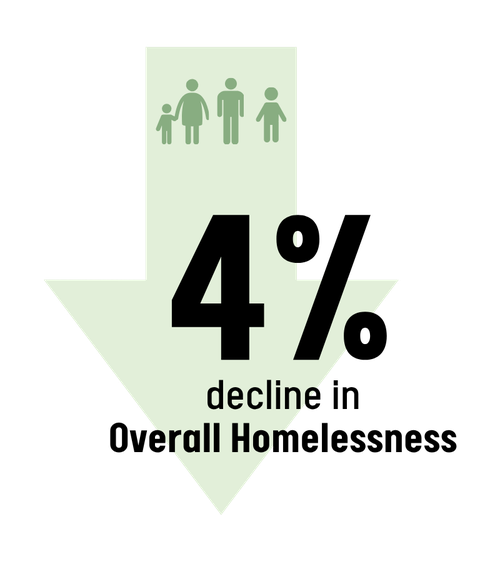
On the night of January 28, 2026, a total of 7,973 people experiencing homelessness were counted, representing a 4% decrease from 2024.
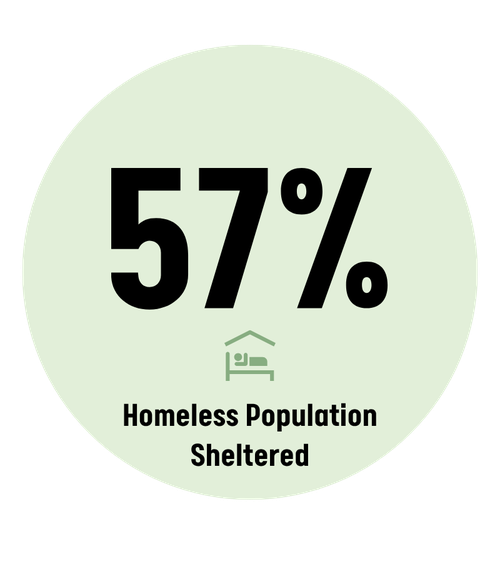
The number of people sheltered at the time of the count increased, with 57% of those counted residing in shelter. This is the highest rate on record for San Francisco’s PIT Count and a sign that expanded shelter capacity is reaching more people.
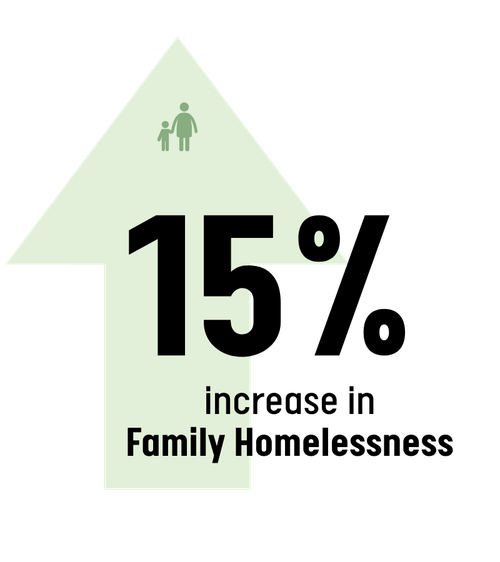
The number of homeless family households rose 15%. Individuals in those households numbered 1,474, including 773 children. The number of people in family households increased 34%.
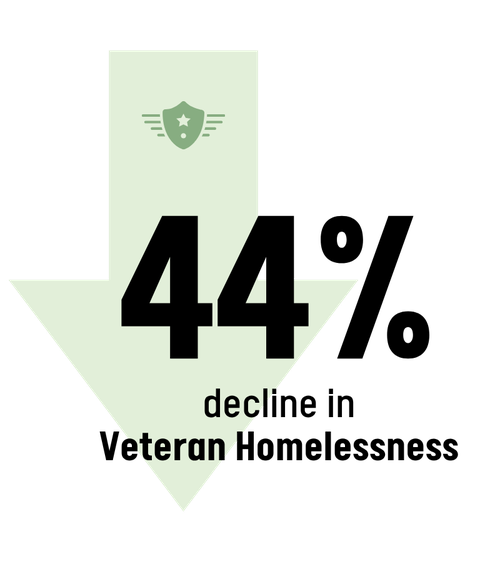
Veteran homelessness dropped sharply, from 587 veterans in 2024 to 327 in 2026. The 44% decrease was driven primarily by a reduction in the unsheltered population. Despite this progress, 64% of veterans counted remained unsheltered.
Survey Findings
- Thirty-seven percent of those surveyed reported experiencing homelessness for the first time, a significant increase from 22% in 2024.
- The percent of people identifying as LGBTQ+ dropped from 31% in 2024 to 17% in 2026.
- Fifty-six percent of people surveyed lived in San Francisco prior to becoming homeless.
- The most commonly-used government benefit was food stamps/SNAP, which 63% of respondents reported receiving, followed by Medi-Cal and/or Medicare at 55%. Benefit receipt increased since 2024, when these were reported by 48% and 24% of respondents, respectively.
- Sixty-eight percent of adults reported at least one disability. Mental health disorders affected 45% of survey respondents. Also common were chronic health issues at 38% and physical disabilities at 32%.
Partnership Across the Homelessness Response System
These results reflect the collective work of HSH, City partners, community stakeholders, and nonprofit providers across San Francisco’s homelessness response system. Every day, this work helps people prevent homelessness, access shelter and housing, connect to services, and stabilize in housing.
The results reinforce the need for continued focus, particularly on family homelessness and the growing number of families living in vehicles. HSH will continue working with City departments, providers, and community partners to expand pathways into shelter and housing, strengthen prevention strategies, and improve outcomes for people experiencing homelessness.