Summary of the District 8 Castro Family Summit
Our Children Our Families InitiativeYoung adults, families, and community members gathered at Eureka Valley Recreation Center for the District 8 Castro Family Summit to share what they value about growing up, raising families and living in San Francisco, what is working, what is challenging, and what they hope for the future.
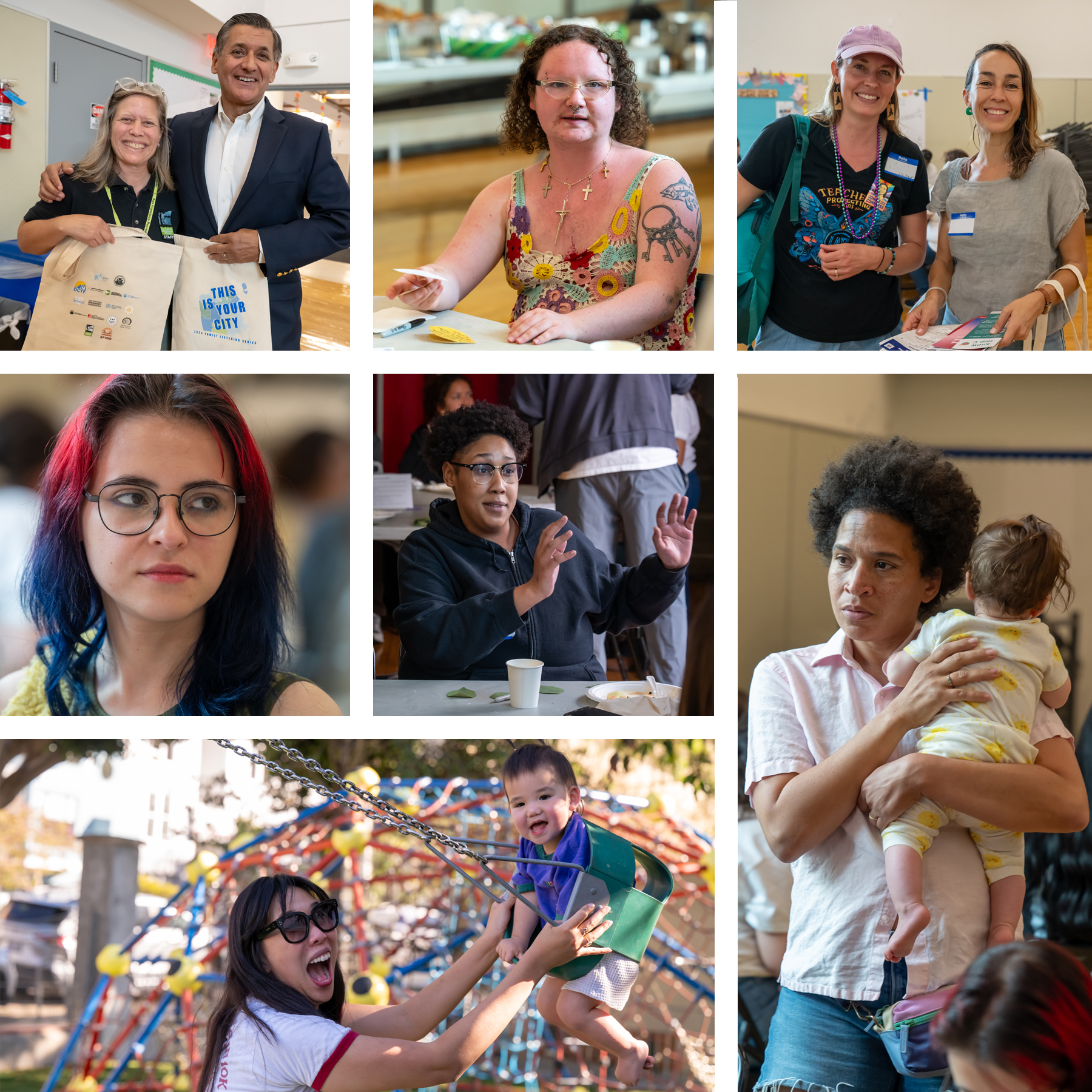
Key Takeaways of What We Heard
Participants explored the topics of Health, School, and Neighborhood through group activities, facilitated discussions and individual reflections.
- Community, culture and belonging are essential strengths. Participants celebrated the Castro’s LGBTQ+ history and identity, neighborhood diversity, parks, libraries, cultural spaces and community organizations. They also called for greater inclusion of transgender residents, young people and communities experiencing displacement or discrimination.
- Safe, clean and welcoming public spaces remain a priority. Participants raised concerns about traffic safety, harassment on public transit, sidewalk cleanliness, substance use and limited public restrooms. While perspectives differed on policing and homelessness, participants emphasized the need for safer streets, compassionate services and more consistent neighborhood maintenance.
- Affordability and access to opportunity shape who can thrive in San Francisco. High housing costs, displacement, limited affordable arts spaces and barriers to well-paying employment were identified as challenges to sustaining community life. Participants called for more affordable housing, paid internships, career pathways beyond technology and greater investment in local artists and young adults.
- Families value education and enrichment programs but experience uneven access. Quality public preschool, subsidized tuition, dedicated teachers, bilingual programs, libraries and Recreation and Park summer camps were praised. Families also described confusing school assignments, unequal resources across schools, limited preschool availability and childcare schedules that do not align with working parents’ needs.
- Access to healthcare and community services depends on inclusion, trust and coordination. Participants praised organizations such as LYRIC, youth access points, food programs and community-based mental health resources. They also called for more affordable and gender-affirming healthcare, transgender-specific support, trauma-informed crisis response, clearer service navigation and stronger outreach to residents who may not know what resources are available.
Thank you to the young adults, families and community members who joined us and generously shared their stories, experiences and hopes for SF. We are especially grateful for your honesty, your trust and your willingness to speak truth to power.
The OCOFI team is grateful to District 8 Supervisorial Legislative Aide Renil Bejoy, Treasurer José Cisneros, Recreation and Parks Department Assistant Superintendent Anne Marie Donnelly, SFUSD Board of Education Vice President Jaime Huling, Clarity Social Research Group, and our colleagues from DCYF, SFUSD, SFPL, and Mayor’s Office who helped make the District 8 Castro Family Summit possible. Special thanks to Eureka Valley Recreation Center, Mission Graduates, Livable City, Little Skillet Catering and Beit Rima for helping us create a welcoming space where families could participate, connect and be heard.
In Your Words: A Closer Look at What Participants Shared
What Participants Value About San Francisco and Their Community
We heard participants described San Francisco as a city where walkability, public transit, parks, cultural experiences and neighborhood diversity contribute to a strong quality of life. They appreciated access to green spaces such as Glen Canyon and Golden Gate Park, libraries, museums, community events and the ability to connect with people from different backgrounds. As one participant observed, “Diversity, each block has its own culture.”
One participant reflected, “I came here when I was 10 from Mexico. I love this place. I think it's a very special nook in the world.”
The Castro's LGBTQ+ history and culture were particularly meaningful. One participant shared, “The Queer culture is the best, and people can be themselves.” Participants celebrated opportunities to express their identities, find community and access organizations that welcome people as they are. One participant captured that affection in just four words: “Keep being gay pls.”
Yet participants also challenged the idea that an accepting city necessarily feels welcoming to everyone. Some transgender participants described harassment and exclusion, while others raised concerns about the displacement of Black communities, the loss of affordable arts spaces and the increasing influence of commercial interests. Their reflections called for preserving San Francisco's cultural character while ensuring that its communities can continue to live, create and belong here.
Early Childhood, Schools and Support for Families
We heard families praised the quality of public preschool, subsidized tuition, dedicated teachers, bilingual programs and educators who support children's emotional well-being. Participants also valued schools as places that build community through cultural events, family engagement and inclusive activities. One parent described a welcoming bilingual school community where families could participate regardless of their financial circumstances: “Welcoming to all, childcare provided at events, volunteer if you can’t offer money, making inclusive as possible.”
However, families described limited preschool availability, uneven enrichment opportunities and a stressful, confusing SFUSD school assignment process. One parent shared they “didn’t feel like there is control over your child’s future. Decision is out of your hands.” Participants also questioned why essential programs depend on individual schools' fundraising capacity and called for more equitable sharing of resources. Teacher compensation, staffing stability and safe routes to school were additional concerns.
Families also raised concerns about limited enrollment capacity in high-demand immersion programs and inconsistent information about transitional kindergarten eligibility and application deadlines. Participants emphasized that families need timely, reliable information to make informed decisions about their children's education.
Recreation and Park summer camps and library programs were praised for their quality and affordability, but early dismissal times created challenges for working families. Participants called for full-day summer programming, clearer enrollment information, stronger school-family communication and consistent access to educational opportunities across schools.
Neighborhood Safety, Public Spaces and Community Connection
We heard participants appreciated walkable neighborhoods, parks, public transit and the sense of security that comes from knowing neighbors. One parent shared, “He walks around the neighborhood and so many people know him, I feel safer with him being outside when so many people know him and are familiar with him.” At the same time, concerns included speeding vehicles, e-bikes and scooters near pedestrians, off-leash dogs, sidewalk cleanliness, limited public restrooms and harassment on public transit.
Perspectives differed on how the City should respond to homelessness, substance use and public safety. Some participants wanted stronger enforcement and more consistent street maintenance, while others emphasized harm reduction, housing, compassion and alternatives to police-led crisis response. One participant called for “a community-based hotline to call for help,” rather than a police response to certain situations. Participants also expressed differing views about public nudity, reflecting the importance of balancing neighborhood history, personal expression and family experiences.
Community gatherings emerged as another important form of neighborhood safety and connection. Participants described block parties as opportunities for children to know their neighbors and for residents to support one another, but said permits, costs and liability requirements make these events difficult to organize. One resident explained, “I host it once a year. I would love to do once a quarter, but I don’t have capacity.”
Participants also expressed frustration with the complexity of navigating City processes to improve neighborhood safety. Some described repeated petitions for traffic-calming measures, unclear implementation of Slow Streets and the burden placed on residents to sustain community improvements. They called for stronger City leadership, clearer communication and greater accountability in following through on neighborhood priorities.
A participant offered a practical vision for public space: “More outdoor youth activity that is accessible on foot. Limited need for cars and buses to encourage exercise. Make public life fun, healthy, and safe!”
LGBTQ+ Inclusion, Mental Health and Community-Based Support
We heard participants highlighted organizations such as LYRIC, LGBTQ+ youth programs, libraries and community centers as important places to find belonging, build relationships and access support. Youth described the value of welcoming spaces where they can connect with peers, receive guidance and explore opportunities without judgment. One participant described LYRIC as a “Nonjudgemental space, met a lot of people there, don’t feel super watched like every move you’re making.” Another shared, “I’m in their housing, and they are the only ones who make me feel comfortable.”
At the same time, transgender participants shared experiences of harassment, discrimination and feeling unsafe even within spaces known for LGBTQ+ acceptance. One participant described being “Harassed every day for being transgender even though I live in the gayest city in the world.” Another account involved verbal harassment and spitting directed at LGBTQ+ passengers on public transit.
Participants called for more transgender-specific programming, peer mental health support, trauma-informed crisis response and greater representation of people with lived experience in service delivery. Some advocated for non-police responses to mental health and substance-use crises, emphasizing the need for assistance that feels safe and respectful. As one participant explained, “Putting more money and resources in community-based alternatives would make me feel safer.”
Healthcare, Food Access and Everyday Well-Being
We heard participants valued San Francisco's food banks, community fridges, soup kitchens, free health testing, parks and walkable green spaces. These resources were described as essential to physical and emotional well-being, particularly for residents experiencing financial hardship. One participant emphasized, “Soup kitchens, community fridges, and the free food availability in SF is VITAL.”
However, high grocery prices, limited public restrooms, expensive dental care and difficulty accessing affordable mental health services remained significant concerns. Participants described how the lack of safe, accessible bathrooms affects residents' health and dignity. One participant raised concerns that transgender residents may avoid using public bathrooms because they feel unsafe, sometimes holding their urine for extended periods and experiencing urinary tract infections. Transgender participants also described barriers to gender-affirming care and uncertainty about receiving respectful medical treatment. Discussing limited adult dental services under Medi-Cal, one participant asked, “Want to know they’re not going to berate me for either being trans or for past poor dental care.”
Participants recommended expanding mobile food distribution, improving access to clean public restrooms, supporting peer mental health programs and increasing affordable, culturally responsive healthcare. One participant wrote, “Please consider offering incentives for private therapists to take MediCal clients → can the city supplement fees to improve ability to accept more clients into high quality mental health?” The participant also proposed reduced-cost office space for providers and additional school-based mental health professionals.
Participants also raised concerns about health inequities across San Francisco neighborhoods, including differences in life expectancy, environmental conditions and access to healthcare. Some pointed to disparities between Russian Hill and Bayview–Hunters Point and called for investments that address the underlying conditions affecting children's long-term health. Participants also advocated for more culturally responsive LGBTQ+ services in historically underserved neighborhoods, particularly for Black LGBTQ+ residents.
Housing, Affordability and Pathways to Opportunity
The high cost of living emerged as a concern affecting housing stability, employment and the ability to remain in San Francisco. Participants described the displacement of longstanding communities, shrinking affordable spaces for artists and the difficulty of finding employment that provides financial security. One participant observed, “With the moving in of the tech industry, artist spaces are disappearing. People seem unprioritized, and businesses instead are prioritized.”
Young adults emphasized that accessing services can depend heavily on knowing where to look and having someone help navigate available programs. One participant described discovering a youth access point through a friend: “They helped me get housing and a job.” Others shared positive experiences with organizations that connect young people to housing, employment, food, healthcare and supportive relationships.
Participants called for more affordable housing, better coordination of existing resources, paid internships and career pathways beyond technology and administrative work. They emphasized hiring people with lived experience and communicating opportunities through channels young people actually use. One participant shared, “LYRIC helped me merge my interest with their workforce program,” describing opportunities to pursue community outreach and develop educational materials.
A participant brought these priorities together: “Support families in bayview/hunters point! Support trans youth and adults! Keep funding MUNI and bart! Keep San Francisco walkable! Find ways to get transitioned aged youth well paying jobs!”
Looking Toward San Francisco's Future
Across the discussions, participants envisioned a San Francisco where residents can afford to stay, feel safe expressing their identities and access the resources and opportunities they need to thrive. They called for stronger neighborhood connections, equitable schools, accessible healthcare, meaningful employment and continued investment in the cultural spaces and organizations that make the city distinctive.
Their reflections underscored that preserving San Francisco's diversity requires more than celebrating its history. It means ensuring that the people, artists, families and communities who shape its identity can continue to belong and contribute to its future.
A participant captured the importance of investing in people and their contributions: “Incentivize companies to hire actual artists, especially within the queer community. No more AI!! It puts artists out of the job. More human artists aid in creativity and culture.”
What Comes Next
All of the information collected at the Family Summits and through the Citywide Family Survey will be incorporated into the Citywide Community Needs Assessment being conducted by the Our Children, Our Families Initiative. The initiative is a new partnership between 13 city departments and the school district to improve services and results for SF’s children, youth, families and transitional aged young adults. Summaries will be posted after each summit and the full needs assessment will be published in June 2027.