news
Summary of District 4 Sunset Family Summit
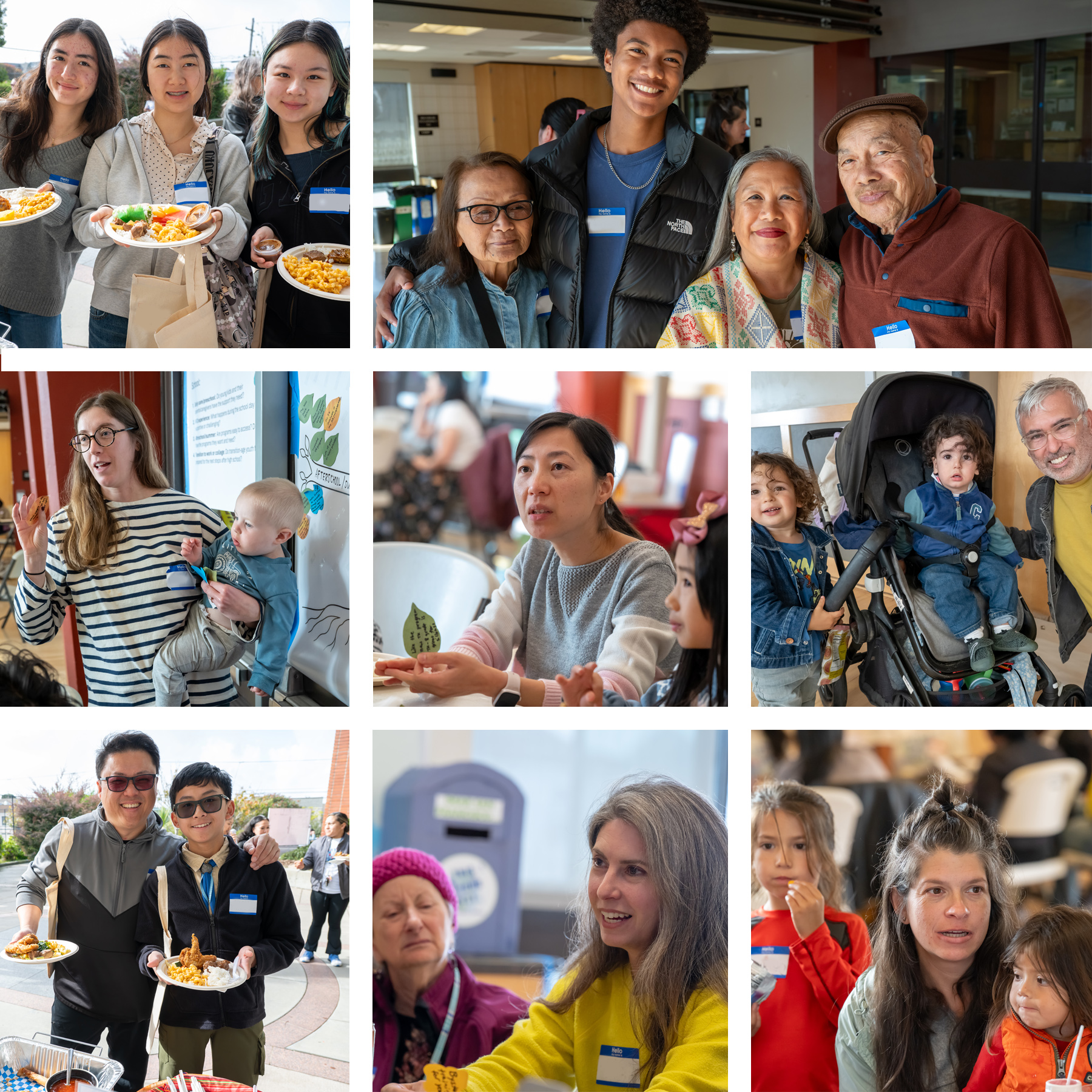
Our Children Our Families InitiativeYouth, young adults, families, and community members gathered at Sunset Recreation Center for the District 4 Sunset Family Summit to share what they value about growing up, raising families and living in San Francisco, what is working, what is challenging, and what they hope for the future.
Key Takeaways of What We Heard:
District 4 Sunset Family Summit participants explored the topics of Health, School, and Neighborhood through group activities, facilitated discussions and individual reflections.
- The Sunset's diversity, natural beauty and neighborhood connections are deeply valued. Participants celebrated the beaches, fog, parks, libraries, public transportation, local businesses and community events that make the Sunset feel like home. They described a neighborhood where multiple generations have built relationships, raised families and contributed to a strong sense of belonging. At the same time, some expressed concern that rising costs, neighborhood changes and the loss of small businesses are making it harder to preserve these connections.
- Families appreciate public schools and early learning investments but want more equitable and accessible educational opportunities. Participants praised dedicated teachers, expanded transitional kindergarten, early care subsidies, school enrichment, Beacon programs and college preparation resources. They also described confusing school assignments, limited neighborhood-based TK options, insufficient childcare and afterschool capacity, school funding disparities, large class sizes and overextended counselors. Families called for greater transparency, more inclusive programs and investments that reach students regardless of their school's fundraising capacity.
- Pedestrian safety, reliable transportation and neighborhood accessibility remain significant concerns. Participants appreciated walkable streets, free Muni for youth and the ability to reach parks, schools and businesses without a car. However, they raised concerns about speeding vehicles, unsafe intersections, e-bikes and scooters, inadequate lighting, transit delays and traffic changes affecting residential streets. Participants offered different perspectives on street configurations and parking but shared a desire for safer, more accessible transportation.
- Physical and mental well-being depend on affordable services, sustained care and meaningful social connections. Participants valued parks, food assistance, healthcare programs, school-based counseling and senior activities. They also described difficulties affording healthy food, navigating healthcare, accessing nearby services and finding consistent mental health support. Families called for more school counselors, earlier outreach to isolated youth, bilingual family counseling and navigation, accessible youth therapy on the west side, affordable wellness activities and stronger support for seniors and caregivers.
- Affordability and access to community resources are shaping the Sunset's future. Participants described rising housing and everyday living costs, the financial pressures facing working families and educators, and the increasing difficulty of accessing affordable recreation and enrichment. They called for more transparent City processes, neighborhood-based services, multilingual outreach, accessible public facilities and opportunities for residents of all ages to participate in decisions affecting their community.
Thank you to the young adults, families and community members who joined us and generously shared their stories, experiences and hopes for SF. We are especially grateful for your honesty, your trust and your willingness to speak truth to power.
The OCOFI team is grateful to District 4 Supervisor Alan Wong, SF Recreation and Parks Department Director of Policy Bev Ng, Clarity Social Research Group, and our colleagues from DCYF, DEC, SFUSD, RPD, and OEWD who helped make the District 4 Sunset Family Summit possible. Special thanks to Bay Area Community Resources (BACR), Livable City, Little Skillet Catering and Lam Hoa Thuan for helping us create a welcoming space where families could participate, connect and be heard.
In Your Words: A Closer Look at What Participants Shared
What Participants Value About San Francisco and the Sunset Community
We heard participants express deep appreciation for the Sunset's natural beauty, cultural diversity, neighborhood character and strong sense of community. Residents celebrated the beach, Golden Gate Park, neighborhood libraries, recreation centers, local businesses and public transportation. Many described the Sunset as a peaceful place to raise families while remaining connected to the cultural and recreational opportunities of a larger city. One longtime resident reflected on the neighborhood's role in raising generations of families, sharing, “Sunset has raised my children. The neighborhood has raised my kids.”
The City's inclusivity was another source of pride. Parents and young people appreciated growing up in a place where different cultures, identities and family experiences are represented. One young participant described their connection to the neighborhood, sharing, “I really like the fog, I love the San Francisco weather and my school and I think it is really amazing how inclusive San Francisco is!” Others celebrated the Sunset's proximity to the ocean and the ability to walk to schools, shops, libraries and parks.
Community gatherings were especially meaningful. Participants highlighted the Sunset Night Market, neighborhood festivals, farmers markets, library events, Movies at McCoppin and other activities that bring families and neighbors together. These events were valued not only for entertainment but also for creating opportunities for intergenerational connection and supporting local businesses. One participant described the Sunset Night Market as “a way for me to spend time with my parents and go out, and with my friends,” noting the diversity of people who attend.
Longtime residents described the Sunset as a place shaped by generations of families, immigrants and small businesses. Some expressed concern that larger households and established communities are being displaced by rising costs. Despite these challenges, participants expressed a deep commitment to remaining in San Francisco. As one resident declared, “WE STAY HERE, no other cities.” Participants wanted to preserve neighborhood histories, strengthen connections among neighbors and ensure that the people who helped build the Sunset can continue to call it home.
Early Childhood, Schools and Support for Families
Participants recognized important investments in early childhood education, including expanded transitional kindergarten, preschool subsidies and programs that help families afford care. Parents praised dedicated educators, welcoming school environments and the availability of early learning opportunities. One parent described the impact of early care assistance, sharing, “The subsidy for early care is amazing, it is a total GAME CHANGER. I can now live in the city, have a kid and feel somewhat comfortable.”
Despite these strengths, families described significant challenges accessing programs that fit their children's needs and household schedules. Parents raised concerns about limited infant care, the availability and location of transitional kindergarten classrooms, complicated school enrollment processes and difficulty finding reliable information about placements. Some described being assigned to programs across the City, making transportation and school drop-offs difficult when siblings attend different schools. One parent explained, “There is no TK in our neighborhood. My family was assigned across the city so I had to pay for private support because that TK started at the exact same time as my older child's school and there was no way I could get them there.”
Families also expressed appreciation for San Francisco's public schools, including dedicated teachers, school clubs, language programs, arts, sports, academic enrichment and college preparation opportunities. Students highlighted positive experiences at Lincoln and Lowell high schools, while others valued Beacon programs, tutoring, summer learning and access to Free City College. However, participants described concerns about school funding, educator compensation, staffing shortages, large class sizes and unequal access to enrichment. Students also raised concerns about overcrowded classrooms and limited access to advanced coursework. One Lincoln High School student described classes so full that some students lacked chairs and had to sit near the teacher's desk, while others competed for limited spaces in AP courses.
Working families emphasized the need for more flexible childcare options, including evening, weekend and short-term drop-in care to accommodate nontraditional work schedules and provide caregivers with opportunities for respite. One parent described looking for a nonprofit or community center offering weekend drop-in care for a few hours, including when a caregiver is sick or needs rest.
Afterschool and summer programming emerged as another important concern. Participants valued existing programs but described competitive enrollment, high costs, limited availability and difficulty finding inclusive options for children with disabilities. Families requested more affordable camps, accessible neighborhood-based enrichment, better compensation for program staff and programs that welcome children with different developmental needs and identities.
Participants also called for stronger student voice in school decisions, improved communication with families, more paraprofessionals and greater transparency about educational resources. Students emphasized the need for more individualized academic and college preparation support. As one young participant wrote, “As a current youth I feel like there is a lack of support within high schools, specifically the counseling system where counselors are overwhelmed with their current caseloads. I believe there should be a singular college counselor dedicated to helping rising seniors and juniors.” Another participant emphasized the importance of additional classroom support, stating, “It would be helpful to have more paraprofessionals to support the students and teachers.” Across these discussions, families emphasized that educational opportunity should not depend on income, neighborhood, school assignment or the ability to navigate complicated systems.
Neighborhood Safety, Transportation and Community Connection
Participants appreciated the Sunset's walkability, access to public transportation and relatively peaceful residential streets. Free Muni for youth was recognized as an important resource that reduces family expenses and helps young people develop independence. Residents also valued responsive neighborhood emergency services, parks, libraries and community activities that make it possible to connect with others close to home. One participant described the neighborhood's sense of safety, sharing, “I walk around 24/7 and it feels safe, even late at night.”
At the same time, traffic and pedestrian safety were prominent concerns. Participants described vehicles failing to stop at intersections, speeding on residential streets, inadequate lighting, and risks associated with e-bikes, scooters and motorcycles. Specific concerns included crossings near Judah and Lincoln, boarding and exiting Muni trains, and increased traffic on neighborhood avenues. One resident described a particularly troubling location, explaining, “There are 2 crosswalks and no one stops for pedestrians that are waiting.” Participants recommended stronger enforcement, better lighting, traffic-calming measures, improved crosswalk visibility and additional crossing guards or community ambassadors.
Participants expressed different views about street changes, parking and the transformation of the Great Highway. Some welcomed traffic-calming improvements, while others described concerns about traffic being redirected onto residential streets, reduced parking availability and effects on local businesses. One resident raised concerns about the new recreational corridor, stating, “Sunset Dunes is not pedestrian safe because of bicyclist.” These discussions underscored the importance of engaging residents in transportation decisions and considering the needs of pedestrians, transit riders, drivers, seniors and families.
Families also emphasized the value of affordable public recreation. Participants praised Recreation and Park programs, sports facilities, playgrounds and therapeutic recreation opportunities for children with disabilities. However, they described long registration waitlists, rising program costs and challenges reserving public facilities. Some worried that access to recreation is increasingly determined by a family's ability to pay or register quickly.
Community connection was closely tied to neighborhood safety and well-being. Participants suggested more block parties, neighborhood cleanups, community bulletin boards, volunteer opportunities and intergenerational activities. One participant emphasized the need for shared spaces and relationships across generations, declaring, “WE NEED OUTREACH.” Residents envisioned community spaces where children, families and seniors could participate in cooking classes, gardening, recreation and social gatherings, alongside simpler processes for organizing neighborhood events.
Healthcare, Mental Health and Everyday Well-Being
Participants valued San Francisco's healthcare resources, food assistance programs, parks and community organizations that support physical and emotional well-being. They highlighted CalFresh, farmers market incentives, food banks and public recreation while expressing concern about rising food costs and access to healthy meals. As one discussion note recorded, young people expressed “how difficult it is to eat healthy on minimum wage.” Residents also described challenges navigating healthcare, affording insurance and accessing transportation to medical appointments, particularly for seniors and those receiving ongoing treatment.
Mental health emerged as a significant concern, particularly for young people and families. Participants appreciated school-based counseling and crisis services but described limited access to consistent, long-term support. Families raised concerns about counselor shortages, frequent provider changes, bullying, stigma and the availability of in-person therapy on the west side. One participant recommended “more school counselor hours,” while another called for a “Youth therapy facility on the west-side, or more in-person options.”
A participant working at a high school described students withdrawing from school, becoming isolated at home and not responding to outreach from teachers or counselors. Participants were concerned that access to outside mental health services can be slow, particularly for students who are struggling but not in immediate crisis. Emphasizing the importance of early intervention, one participant stated, “The sooner someone can reach out, the better.” Participants called for more community-based professionals and organizations equipped to engage disconnected youth and support families before problems escalate.
Language access was another concern. Participants emphasized that parents may struggle to seek help when counseling and support services are not available in their preferred language. One participant shared, “Bilingual counseling for parents would be great.” Others suggested a Chinese-language family support hotline where caregivers could discuss concerns, receive guidance and connect with appropriate services.
Social isolation among older adults also emerged as a concern. Residents appreciated senior centers, chair yoga and community activities but called for stronger outreach and more opportunities for intergenerational connection. One participant suggested “small groups where younger generation can connect with seniors.” Participants envisioned welcoming spaces where people of all ages could build relationships, share experiences and strengthen community well-being.
Housing, Affordability and Access to Opportunity
We heard participants describe the increasing financial pressure of living, working and raising families in the Sunset. Housing costs, groceries, childcare, transportation and recreational activities were recurring concerns. Some longtime residents worried that the neighborhood's changing housing market is making it difficult for larger families, educators and younger generations to remain. One participant questioned the accessibility of newly constructed housing, asking, “Affordable housing is not affordable. Who is it affordable to?” Echoing these concerns, another participant wrote, “Please make more affordable rental homes in the Sunset, so low-income families with young children can live here. If there were more affordable homes, life would be much easier, and families with young children would be happy. Thank you.”
Participants also raised concerns about vacant storefronts, underused buildings and the loss of neighborhood-serving businesses. Some described the difficulty of supporting small businesses while managing household expenses. Others questioned how neighborhood development, commercial vacancies and public investments are being addressed. Participants called for stronger support for local businesses, greater transparency about development decisions and more effective use of existing neighborhood spaces.
The affordability of public programs was another important theme. Participants noted that parks, recreation centers and other community facilities may exist nearby but still be difficult to access because of registration systems, fees, limited capacity or competition for available spaces. One parent described the challenge of enrolling children in recreation programs, sharing, “We know Park & Rec fills quickly; people are fighting for a slot – the process is WILD.” Families called for more equitable access to public resources and greater transparency about how facilities, programs and funding are allocated.
Young people and families also emphasized the need for stronger pathways to college, employment and financial independence. Participants valued Free City College, dual enrollment, school-based career guidance and youth leadership opportunities but described uneven access to counselors, internships and workforce development programs. One participant called for “More internship opportunities from corporate and start up companies,” recommending stronger partnerships with local employers.
Participants also emphasized the need to expand youth employment opportunities beyond a limited set of industries. As one participant asked, “How can that programming for TAYA and Teens be increased and diversified?” Across these conversations, residents emphasized that affordability is about more than housing alone. It also affects whether families have time together, whether children can participate in enrichment and whether young people can build their futures in San Francisco.
Looking Toward San Francisco's Future
Participants envisioned a Sunset where families of different backgrounds and income levels can remain, children have equitable access to education and enrichment, and residents of all ages can enjoy safe, welcoming public spaces. They wanted to preserve the neighborhood's diversity, natural beauty, cultural history and sense of community while addressing the barriers that make everyday life increasingly difficult. One participant reflected on the importance of preserving the neighborhood's character, sharing, “I like intergenerational families here.”
A recurring theme was the need to strengthen existing resources and make them more accessible. Participants valued public schools, childcare subsidies, parks, libraries, transportation and community organizations, but emphasized that the availability of a service does not necessarily mean families can use it. Cost, location, language access, scheduling, registration requirements and limited awareness can all create barriers. One participant emphasized the importance of better communication, sharing, “I think there are a lot of programs but youth don't always know about them.”
Residents also called for more transparent government processes and meaningful opportunities to participate in decisions. They wanted clearer information about school assignments, public funding, transportation changes, neighborhood development and available programs. Several emphasized the importance of outreach beyond digital platforms, including multilingual materials, neighborhood postings and direct engagement with residents who may otherwise be missed. Reflecting a broader call for equity and inclusive decision-making, one participant wrote, “Do better for everyone, not just a select few. AKA ‘Community’”
Participants expressed a desire for City departments, schools and community organizations to work more closely together and respond to the distinct needs of the Sunset. One resident emphasized the need for stronger information sharing, explaining, “I do know a lot of resources but I notice a lot of people don't know a lot about the resources.” Participants also wanted more opportunities for youth, parents, seniors and longtime residents to help shape neighborhood decisions.
Looking toward the future, residents called for stronger support for community gathering spaces, neighborhood history and local connections. One participant reflected on the importance of preserving cultural heritage, stating, “How do we keep the neighborhood histories alive.” Together, their reflections revealed a shared desire to protect what makes the Sunset special while ensuring that San Francisco remains a place where families can belong, participate and thrive.
What Comes Next
All of the information collected at the Family Summits and through the Citywide Family Survey will be incorporated into the Citywide Community Needs Assessment being conducted by the Our Children, Our Families Initiative. The initiative is a new partnership between 13 city departments and the school district to improve services and results for SF’s children, youth, families and transitional aged young adults. Summaries will be posted after each summit and the full needs assessment will be published in June 2027.