
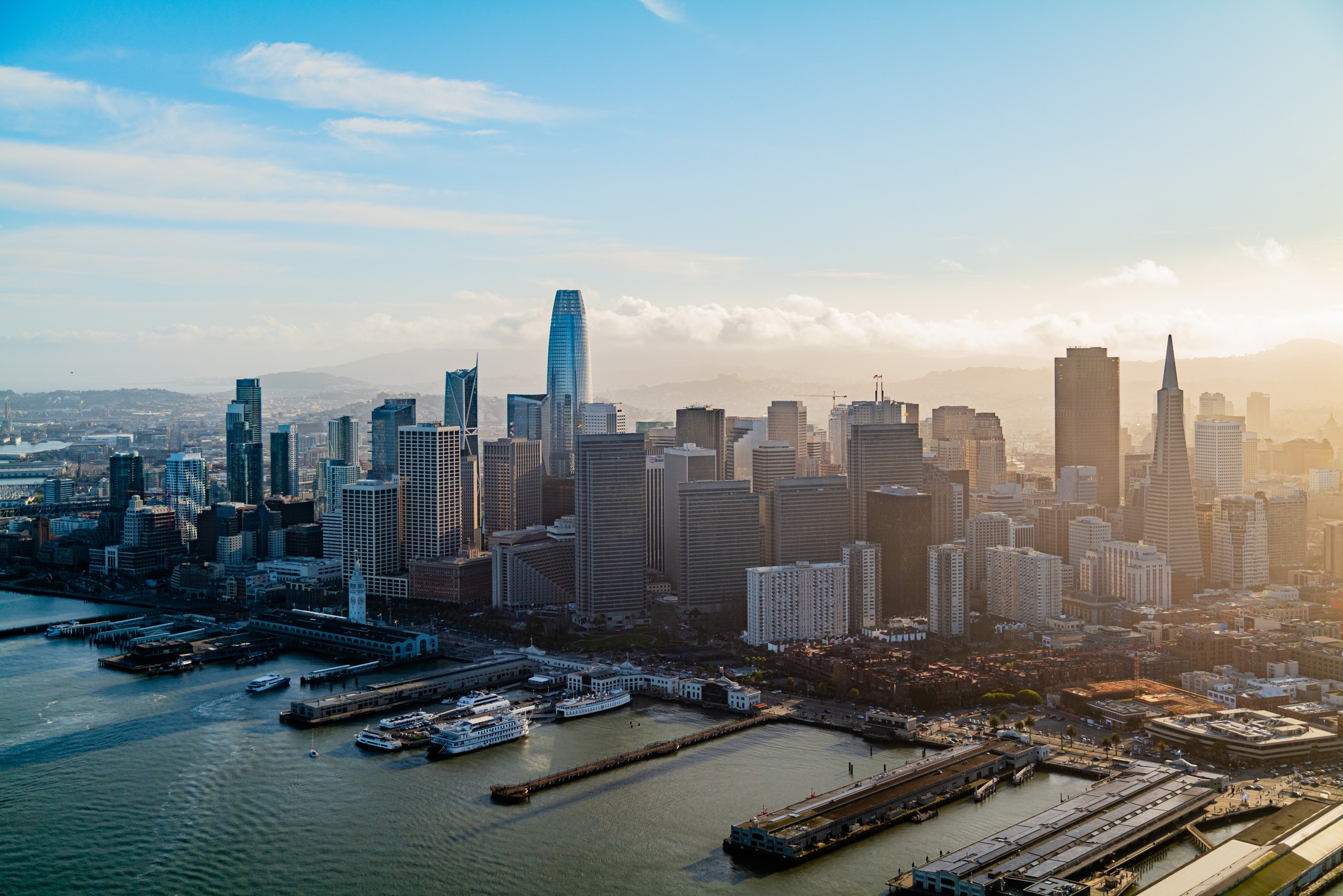
Hazards and Climate Resilience Plan: 2025 update
The 2025 update focused on incorporating new climate science, engaging with community-based organizations, and refreshing the actions with current and emerging priorities.Read the 2025 planHazards and Climate Resilience Plan (HCR)
The Hazards and Climate Resilience Plan (HCR) is San Francisco’s roadmap to a safer and more resilient future by reducing the impacts of natural hazards and climate change. It identifies 13 natural hazards San Francisco faces and includes an action plan to reduce risk and adapt buildings, communities and infrastructure. It also makes hazard information more accessible to the public, prioritizes actions for strategic funding opportunities, and complements San Francisco’s Climate Action Plan and Safety and Resilient Element.
The HCR is updated every five years to ensure eligibility for Federal Emergency Management Agency (FEMA) funds. The 2025 HCR builds on previous plans and addresses a wide range of vulnerabilities.
Goals
- Protect the public health, safety, quality of life, environment, and economic and social capital of San Francisco by reducing the risk of damage and disruption from hazards.
- Build and support the capacity of City government and the greater San Francisco community, to prevent, protect against, respond to, mitigate, and recover from hazards
- Advance local, regional, state, federal, private, and community collaborations and partnerships to deliver actionable, effective, and innovative risk reduction solutions and data to support decisions
- Proactively seek to address racial, health, and economic inequities of hazard impacts and advance equity through the just distribution of risk reduction and resilience benefits.
- Increase public awareness of hazards, risks, and City action to build resilience through education, empowerment, and engagement
Hazards assessed
The HCR profiles 13 natural hazards that impact San Francisco.
Geological
- Earthquake
- Tsunami
- Landslide
- Dam or reservoir failure
Weather-related
- Flooding
- High wind
- Extreme heat
- Drought
Fire-related
- Large urban fire
- Wildfire
- Poor air quality
Biological and toxic
- Pandemic
- Hazardous materials
Hazard Mitigation Strategy
The 2025 mitigation strategy is organized by Buildings, Communities, and Infrastructure with 17 objectives and related 75 actions. Implementing the actions will involve partnerships across City departments, non-profits, institutions, and individual property and business owners.
Buildings
- B-1: Increase the resilience of existing seismically vulnerable buildings.
- B-2: Increase climate and multi-hazard resilience of existing buildings.
- B-3: Design and construct new buildings for high resilience performance for current and future hazards.
Communities
- C-1: Limit exposure and protect public health against hazards related to environmental health.
- C-2: Support the growth of community resilience networks to empower all people.
- C-3: Increase the City’s capacity to improve resilience through collaboration among peer agencies, the private sector, and community-based organizations
- C-4: Support robust emergency response planning in partnership with communities most adversely impacted by hazards.
- C-5: Prepare small businesses and workers to bounce back faster after a hazard.
- C-6: Make housing more affordable to increase community adaptive capacity.
Infrastructure
- IN-1: Increase the resilience of electric power systems and increase access to resilient backup power.
- IN-2: Increase the resilience and redundancy of critical communications systems.
- IN-3: Support sustainable and resilient multi-modal mobility.
- IN-4 Promote, design, and use nature-based solutions to mitigate current and future hazards.
- IN-5: Protect waterfront assets and communities from near-term flooding and seismic hazards.
- IN-6: Adapt the City’s bay and ocean shorelines to current and future climate flood hazards.
- IN-7: Increase the resilience of local water and wastewater systems to natural hazards and climate change.
Hazards and Climate Resilience Plan Resources
Contact information
Melissa Higbee (Resilience Program Manager)
melissa.higbee@sfgov.orgAlex Morrison (Resilience GIS Analyst)
alex.morrison@sfgov.org