Barricades are part of your event site plan
Barricades are required to safely close streets for a special event. Include barricade placement in your permit site plan.Prepare a site plan for your eventBasic types of barricades
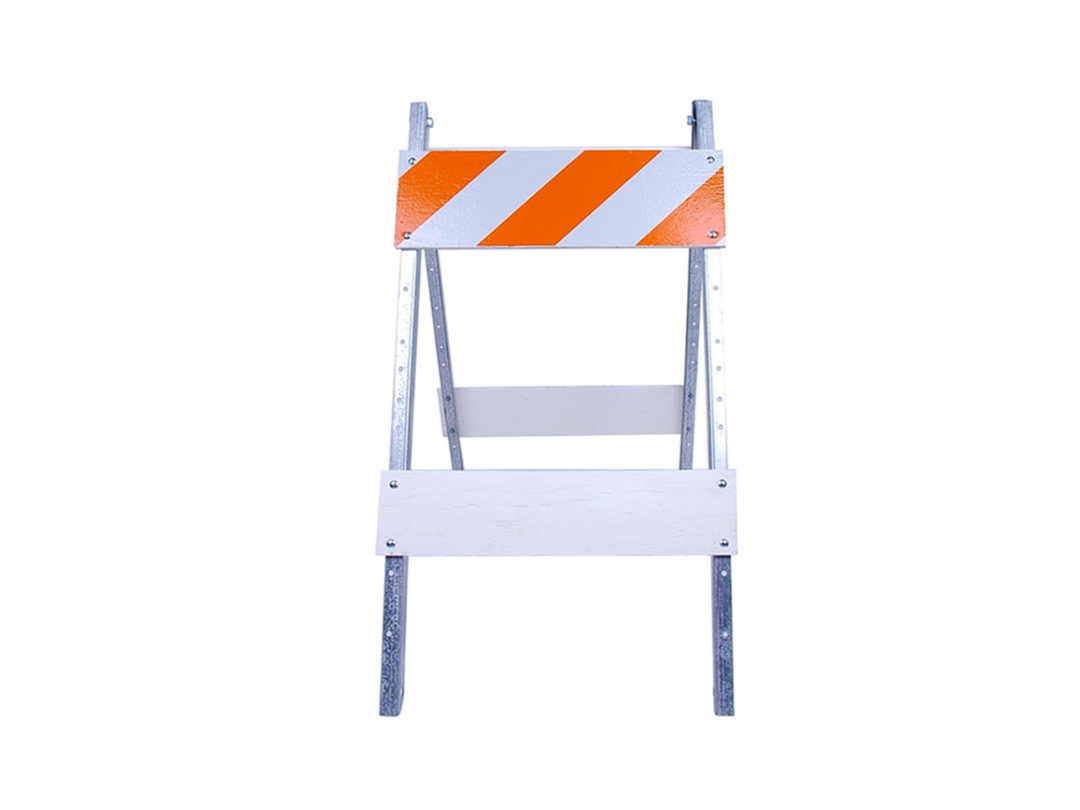
Type 1
An A-Frame with one panel of orange and white diagonal stripes.
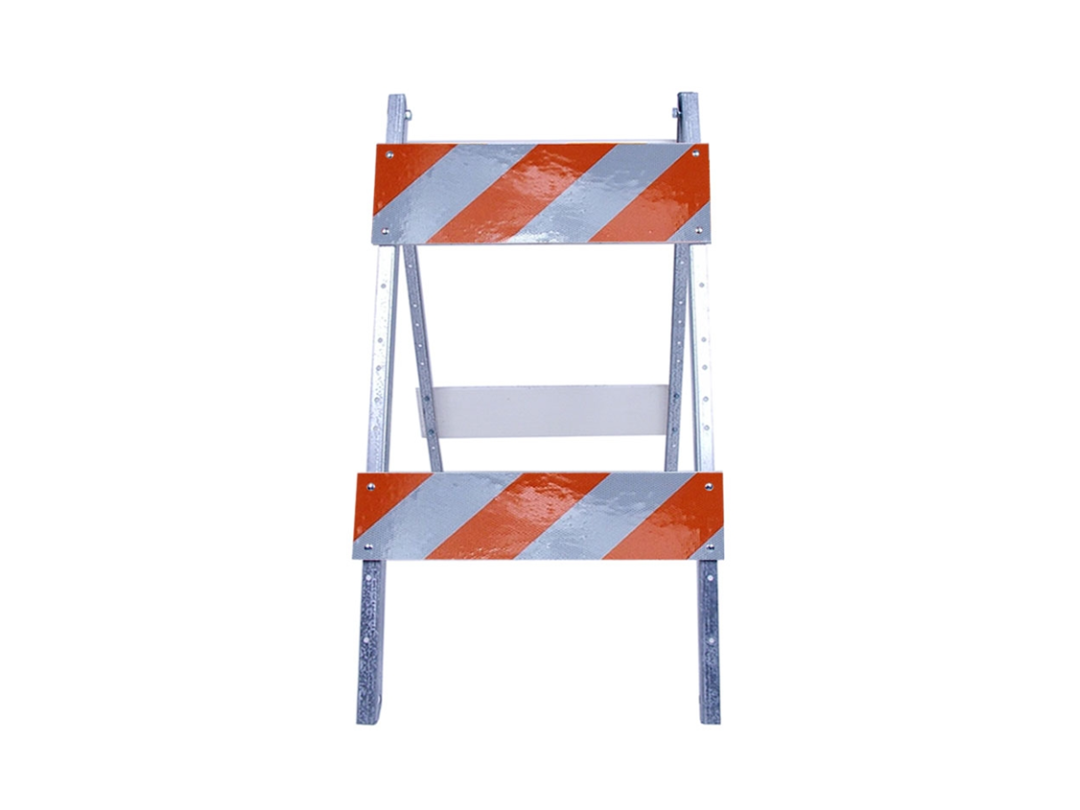
Type 2
An A-Frame with two panels of orange and white diagonal stripes.
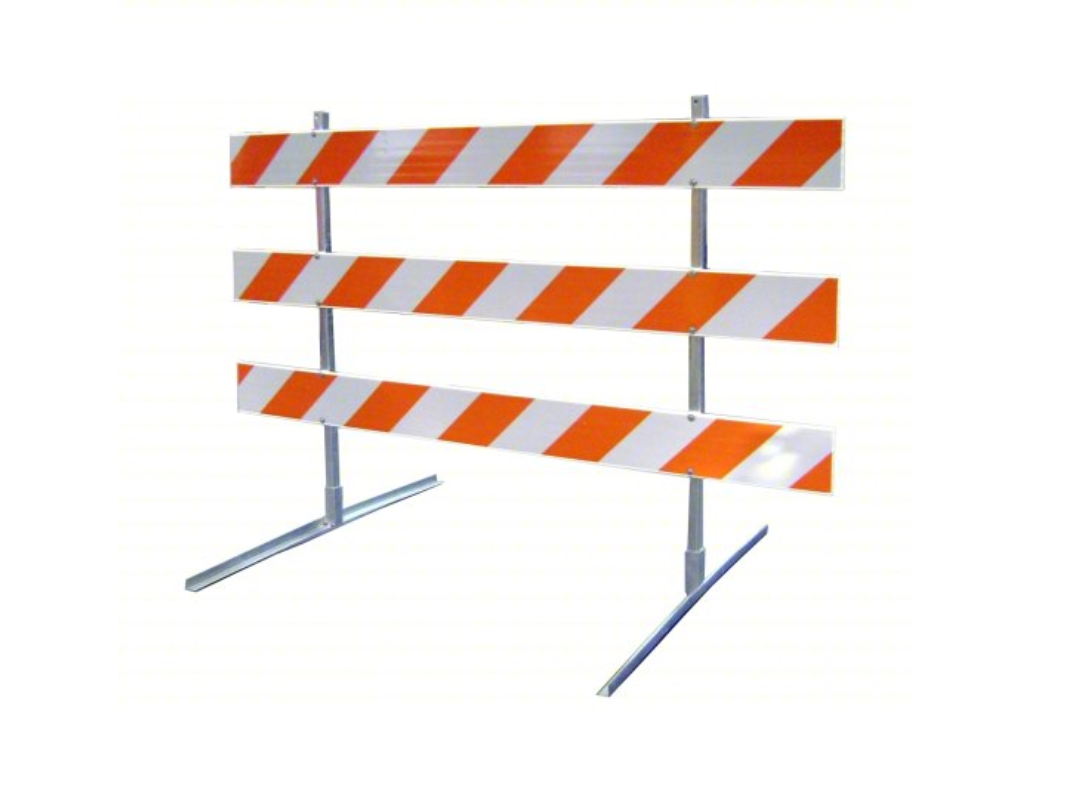
Type 3
Featuring three wide panels of orange and white diagonal stripes.
General guidance
The event organizer must:
- Make sure someone monitors the barricades at all times.
- Use barricades that have the required lights and reflective material (if it’s not full daylight during the event).
Every street is different. Most blocks are simple, and SFMTA Special Events staff can provide advice on how to setup the required barricades.
Some companies that rent barricades will also set them up for you.
In rare instances, such as large events south of Market Street, your street closure may require professional installation and a traffic plan.
If you have questions, email SpecialEvents@sfmta.com.
Barricades
You usually need 2 to 8 barricades per street, depending on the width of the street and type of barricade used. They should be spaced so that there are no gaps wide enough for cars or trucks to enter.
Cones and Delineator Posts
You can use cones and posts to make closures more visible:
- Line them across the street in front of the crosswalk, about 4 feet apart, with the barricades positioned in back of the crosswalk.
- Cones must be orange with white reflective bands and made of flexible material.
- They must be at least 28 inches tall (or 18 inches for low-traffic, daytime events).
Signage
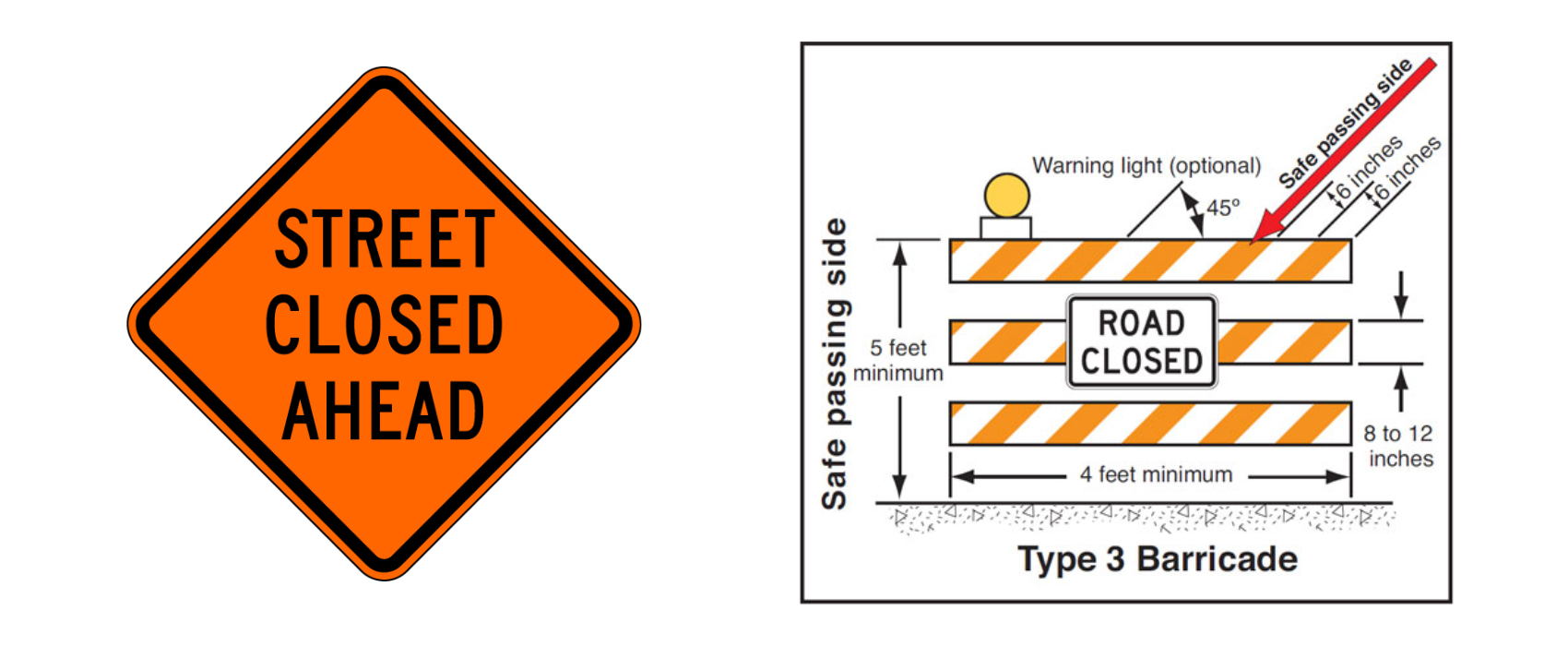
Use signs to tell drivers a road is closed:
- Place signs where drivers can see them but not blocking sidewalks
- Attach a regulation “Road Closed” sign to one barricade facing oncoming traffic
In busier areas, you may need extra advance-warning signs in the parking lane.
Monitoring barricades
Every street closure must have monitors at all times. Most stay at specific barricades. On smaller blocks or less crowded events, they may walk around and check. Monitors help keep people safe and make sure the emergency lane stays open.
Monitors should:
- Be 18 years or older
- Be able to move barricades quickly for emergency or paratransit vehicles
- Wear identifying clothing like reflective vests; use flashlights at night
- Carry a whistle or air horn to clear the lane fast
- Have a link to this page
- Have a copy the street closure permit from SFMTA
- Carry photo ID
Their main jobs are:
- Watch barricades and make sure they stay in place
- Quickly move barricades for emergency or paratransit vehicles
- Help drivers find other routes
- Never allow vehicles to enter unless they are going to off-street parking or are official emergency or paratransit vehicles
- Escort any allowed vehicles at walking speed through the event area
- Do not change the barricade setup without approval from SFMTA or SFPD
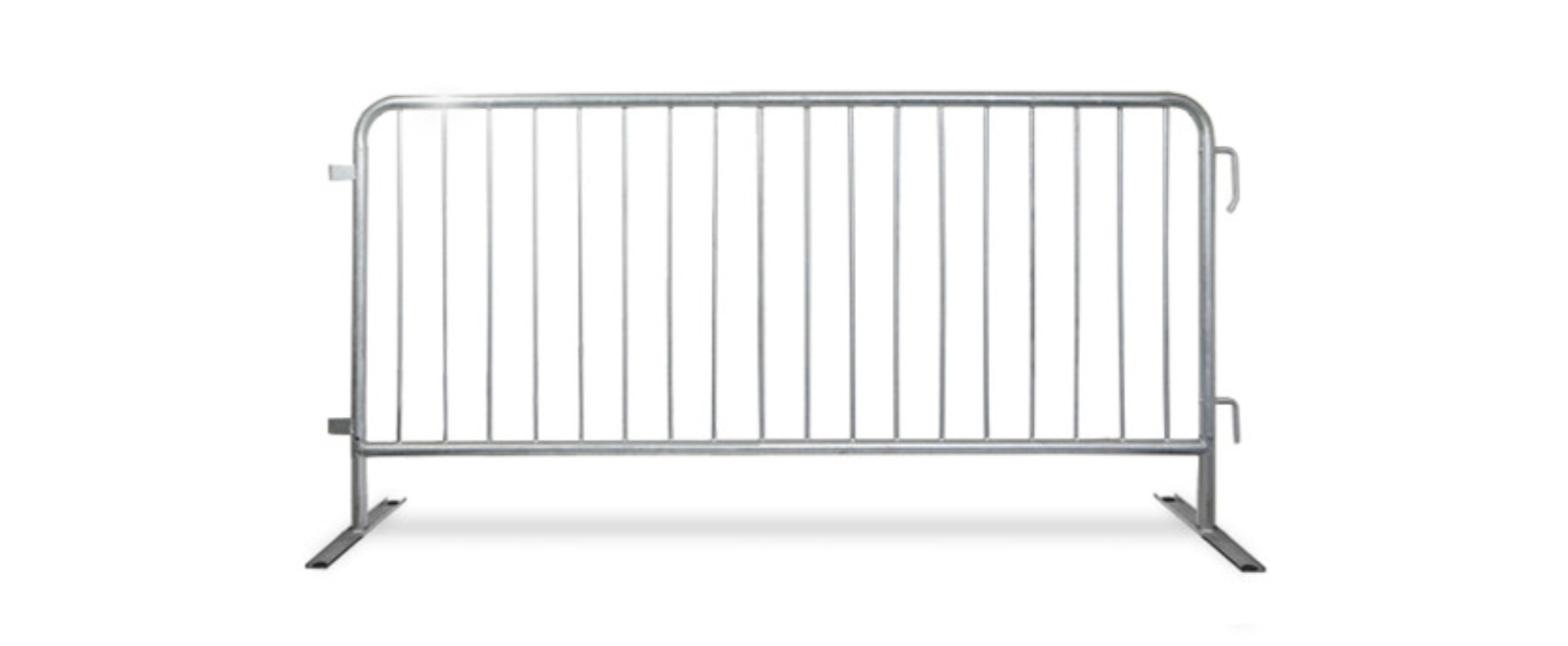
You may use crowd control barricades (image above) to help manage pedestrians, but you can’t use these to close streets.
Sources for barricades
Event organizers must rent barricades from a private vendor or San Francisco Public Works. To request barricades from Public Works, email dpw-eventrequest@sfdpw.org.
Some local companies that rent barricades and signs include:
Arrange for delivery close to your event time and pickup right after the event ends.