
San Francisco's commitment to earthquake safety
Time of the essence in preparing for earthquakes in San Francisco. A significant Bay Area earthquake is likely to occur in the next 30 years. The Earthquake Safety Implementation Program (ESIP) Workplan outlines a 30‐year program to reduce the most significant earthquake impacts.Learn more about ESIP (PDF)Key accomplishments

Soft Story Retrofit Program
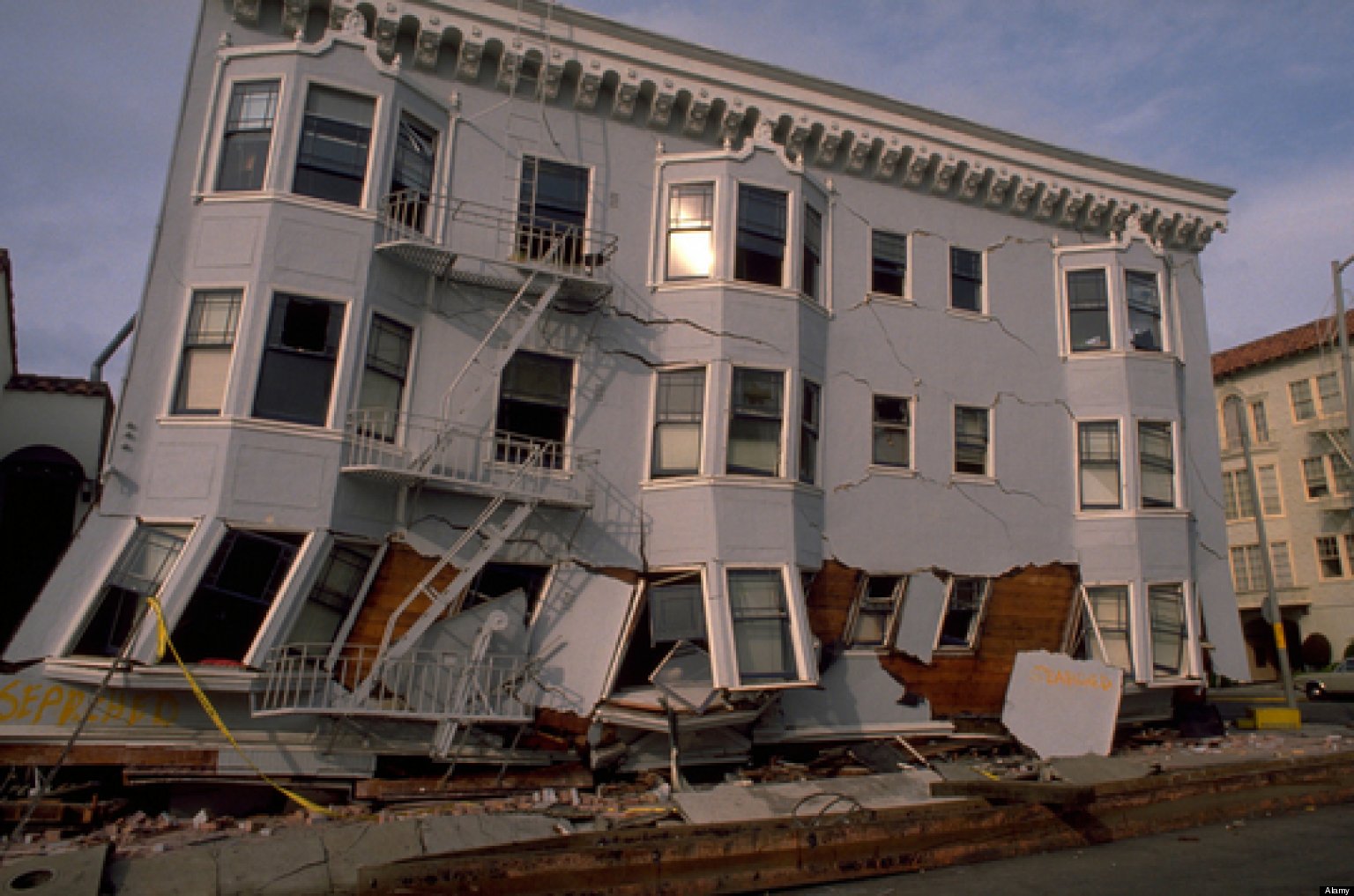
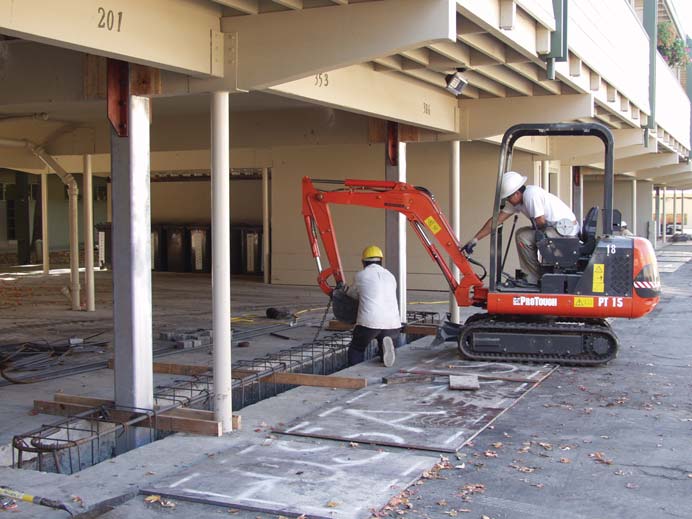
Started in 2013, this program has resulted in the seismic retrofit of over 4,700 vulnerable wood frame buildings.
Tall Buildings Safety Study
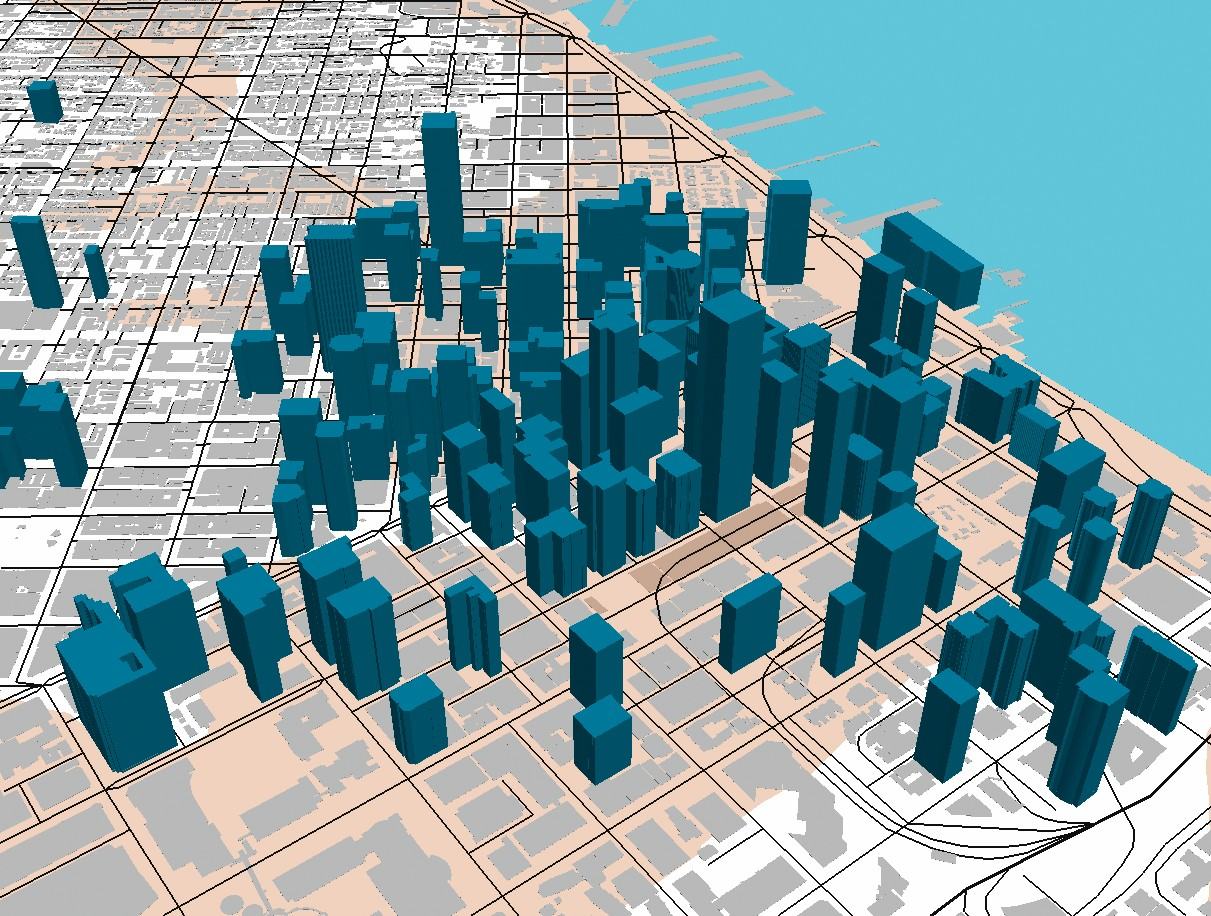
In 2019, San Francisco published first study in the nation to look at the impact of earthquakes on buildings higher than 240 feet.

Concrete Building Screening Program
In May 2025, the Board of Supervisors passed legislation to identify concrete and tilt-up buildings through a screening program. This legislation also established voluntary retrofit standards in the San Francisco Existing Building Code.
Programs
Earthquakes are in San Francisco’s future. The policies we enact make a big difference in San Francisco's ability to withstand and bounce back from a future earthquake.
Concrete Building Safety Program
The City of San Francisco is developing a new earthquake retrofit program to identify and strengthen vulnerable Concrete Buildings. The City is bringing together a working group of people and organizations potentially impacted to co-design aspects of the program.
Private Schools Earthquake Evaluation Program
The Private schools Earthquake Evaluation Program requires seismic evaluation of select buildings in all of San Francisco's private schools.
Learn more about the Private Schools Earthquake Evaluation Program
Mandatory Soft-Story Retrofit Program
The Mandatory Soft Story Retrofit Program was created in 2013 as a multi-year community-based effort to ensure the safety and resilience of San Francisco’s housing stock through the retrofit of older, wood-framed, multi-family buildings with a soft-story condition.
Façade Inspection and Maintenance Program
The Building Façade Inspection and Maintenance Program requires the facades of certain buildings having five or more stories to undergo initial and subsequent inspections according to a schedule based on the original construction date of a building. The program was developed from extensive community and design professional input aimed at reducing the risk to the public and the City’s resilience from façade failure.
Learn more about the Façade Inspection and Maintenance Program
Studies
Tall Building Safety Study
Study: The San Francisco Tall Buildings Study is the first study in the nation to look at the impact of earthquakes on a large group of buildings higher than 240 feet.
Read more about the San Francisco Tall Buildings Study (published January 10, 2019)
Strategy: The report characterizes the issues and available information; proposes regulatory and procedural recommendations where appropriate; and identifies areas where future studies would be helpful.
Read the San Francisco Tall Buildings Safety Strategy (published June 18, 2019)
Study of Options to Reduce Post Earthquake Fires
San Francisco’s Earthquake Safety Implementation Program includes a comprehensive study on post earthquake fire resilience. After a major earthquake, fires could damage thousands of buildings across the city. The report outlines seven steps San Francisco can take to reduce this risk, from installing automatic gas shutoff valves to strengthening the emergency firefighting water supply system.
Chimney Mitigation Report
The Chimney Mitigation report describes the earthquake risks posed by San Francisco’s masonry chimneys and presents background data to inform the development of mitigation policies and offers recommendations based on those findings.
Community Action Plan for Seismic Safety (CAPSS)
The Community Action Plan for Seismic Safety (CAPSS) is an analysis of potential earthquake impacts as well as community-supported recommendations to mitigate those impacts. In December 2010, Mayor Gavin Newsom formed the Earthquake Safety Implementation Committee (ESIC) under the City Administrator’s Office, which created the Earthquake Safety Implementation Program (ESIP) in late 2011. ESIP is a thirty-year work plan for implementing the CAPSS.Read the Community Action Plan for Seismic SafetyAbout
The Earthquake Safety Implementation Program (ESIP) began in early 2012, evolving out of the key recommendations of the Community Action Plan for Seismic Safety (CAPSS), a 10-year-long study evaluating the seismic vulnerabilities San Francisco faces. Its plan for action was turned into the 50 tasks San Francisco will be implementing over the next few decades.