
Safer Buildings
We know from past earthquakes that certain types of older concrete buildings can be seriously damaged in a large earthquake. Identifying and strengthening concrete buildings protects public safety, preserves housing, protects the economy and speeds earthquake recovery.
Concrete Building Screening Program
In May 2025, the Board of Supervisors passed legislation to identify concrete and tilt-up buildings. This program requires concrete building owners to submit an online screening form with information about their building's history and design by June 9, 2027.
Voluntary Retrofit Standards
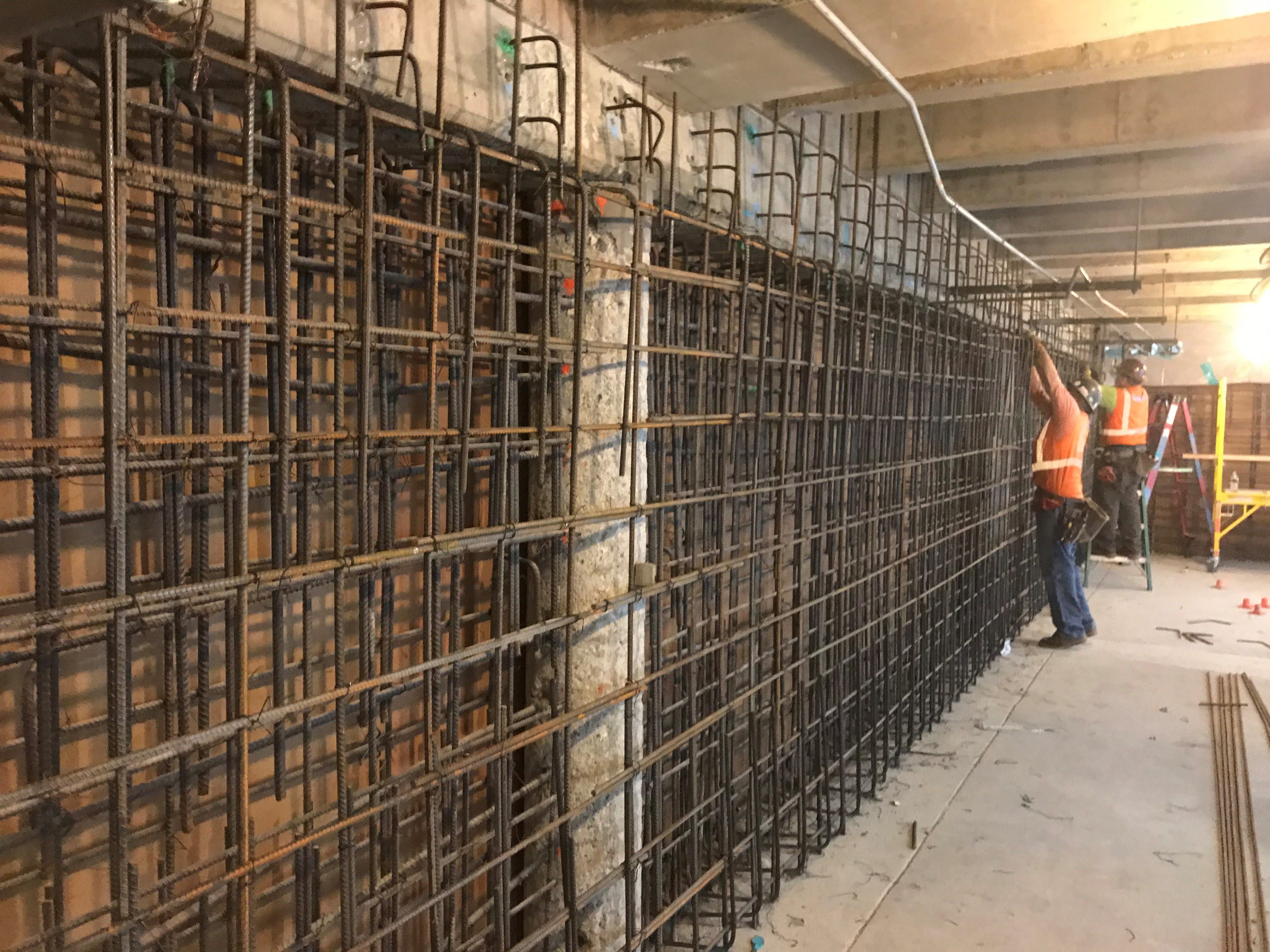
Voluntary retrofit standards for concrete buildings are available in the San Francisco Existing Building Code.
- Voluntary retrofit standards for concrete buildings: San Francisco Existing Building Code, Appendix A, Chapter A6
- Voluntary retrofit standards for rigid-wall-flexible-diaphragm buildings: California Existing Building Code Appendix A, Chapter A2

Stakeholder Engagement Report
A Working Group met to guide the development of the Concrete Building Safety Program. The Stakeholder Engagement Report details the Working Group’s recommendations.
Program context
Program goals
The Concrete Building Safety Program (CBSP) seeks to identify and retrofit vulnerable concrete buildings in San Francisco to achieve the following goals:
- Protect life and public safety
- Preserve housing
- Protect the economy
- Preserve city vitality and character
- Speed earthquake recovery
Importance of concrete buildings
Concrete buildings play many important roles in San Francisco. They contain affordable housing, light manufacturing, grocery stores, clinics, and even police and fire stations.
Two types of concrete buildings
There are two types of concrete buildings that are known to be potentially dangerous in a large earthquake: non-ductile concrete buildings and rigid-wall-flexible-diaphragm buildings (also called “tilt-ups”).
Non-ductile concrete buildings come in a wide range of heights and uses. Tilt-ups are one story and can be grocery stores, warehouses, manufacturing, and other uses.
Identifying concrete buildings
Concrete buildings are hard to identify from the street. To determine whether a building is a potentially dangerous concrete building, a qualified structural engineer needs to inspect the building or its drawings.
In May 2025, the Board of Supervisors passed legislation to identify concrete and tilt-up buildings through the San Francisco Concrete Building Screening Program. This program requires concrete building owners to submit an online screening form with information about their building's history and design by June 9, 2027.
Earthquake safety plans
Retrofitting older concrete buildings was identified as a priority in the Tall Buildings Study and Earthquake Safety Implementation Program (ESIP).
Stakeholder Working Group
The City convened a Working Group of internal and external partners to provide guidance and feedback to City staff on the development of the Concrete Building Safety Program. The goal of this working group was to help ensure that the Program is technically sound, practical, and increases community resilience. This Working Group met eight times between October 2022 and September 2023.
Policy and Financial Feasibility Study
This study examines seismic risk, real estate market dynamics, financing approaches, and current policies to help building owners and policymakers understand and address the barriers to strengthening concrete buildings. The study outlines policies and actions that could support the financial feasibility of seismic retrofits.
Next steps
The Office of Resilience and Capital Planning the Department of Building Inspection (DBI) will analyze the information provided on the Concrete Building Screening Forms to determine if additional seismic safety requirements are needed for concrete buildings in San Francisco.
The Office of Resilience and Capital Planning is also identifying resources to support concrete building owners and tenants in the retrofit process.